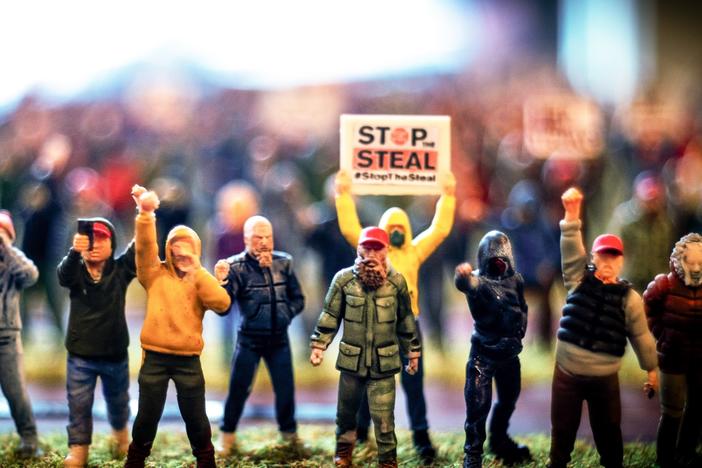
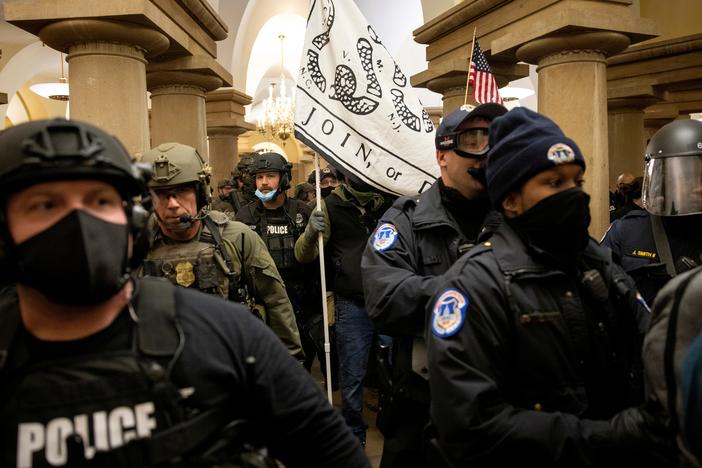
Fight for America! is a new art installation about democracy that invites audiences to play a war game — battling over the U.S. Capitol on Jan. 6, 2021.
The judge said it was "reasonable" the Justice Department interpreted Trump's Jan. 6 commutations to cover the defendants' prison sentences and wipe away their terms of supervised release.
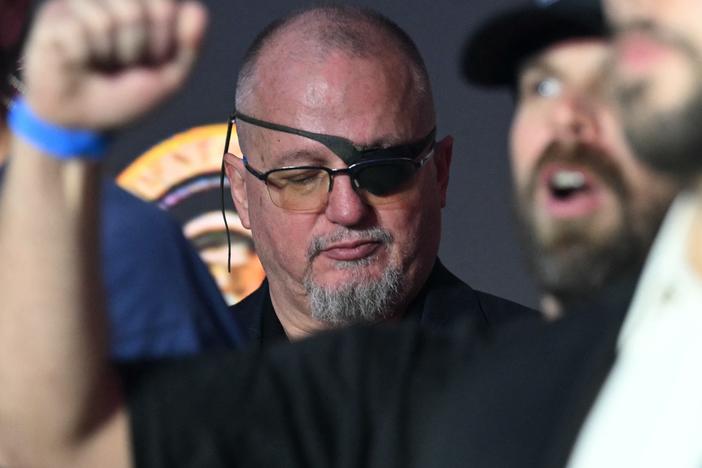
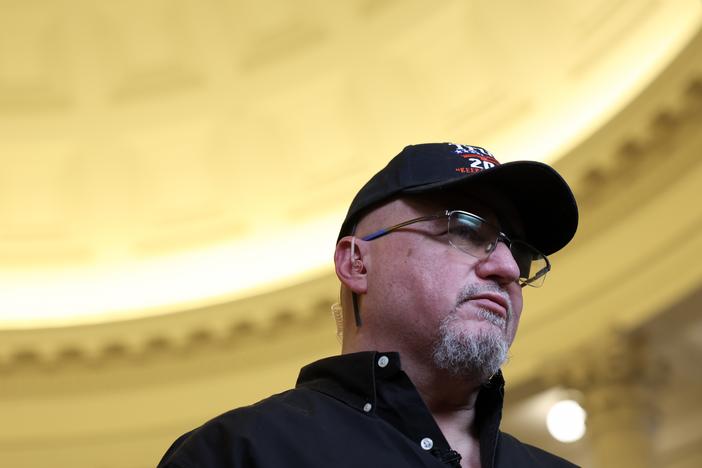
Rhodes was convicted by a federal jury of sedition conspiracy in connection with the attack on the U.S. Capitol on Jan. 6, 2021. President Trump pardoned him on Monday.
The brief declaration of martial law in South Korea last month has drawn comparisons to the Jan. 6, 2021, attack on the U.S. Capitol. The attempted power grabs could hold lessons for other democracies.
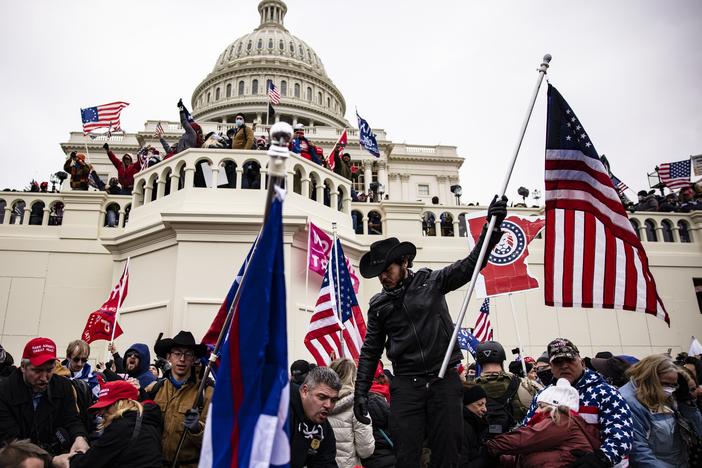
The long-awaited report from DOJ Inspector General office comes nearly four years after a crowd of Donald Trump's supporters stormed the U.S. Capitol on Jan. 6, 2021 to try to prevent Congress from certifying Joe Biden's election win.
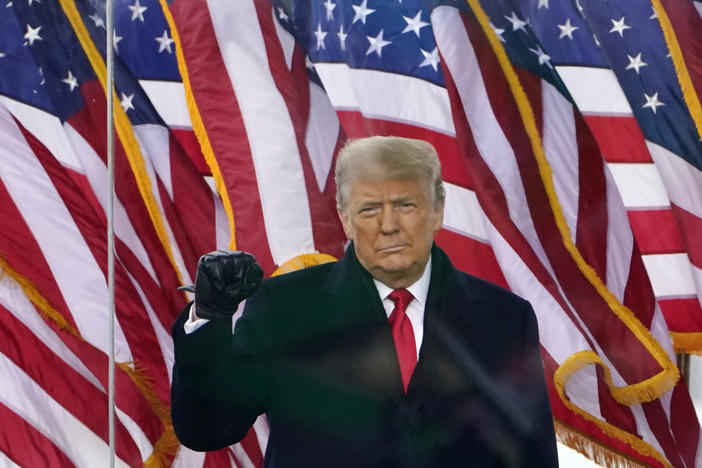
In a hearing marked by moments of tension and humor, Trump and Justice Department lawyers clashed over how the federal election interference case against the former president should proceed.
Civil War, the new A24 film from British director Alex Garland, imagines a scenario that might not seem so far-fetched to some; a contemporary civil war breaking out in the United States.
And while the film has taken heat for little mention of politics, the question of an actual civil war has everything to do with it.
Amy Cooter is a director of research at the Center on Terrorism, Extremism, and Counterterrorism at the Middlebury Institute of International Studies. Her work has led her to the question that Garland's movie has put in the minds of both moviegoers and political pundits: Could a second civil war really happen here?
Cooter joins host Andrew Limbong to discuss the actual threat of current political movements in the U.S., outside of the movie theaters.
For sponsor-free episodes of Consider This, sign up for Consider This+ via Apple Podcasts or at plus.npr.org.
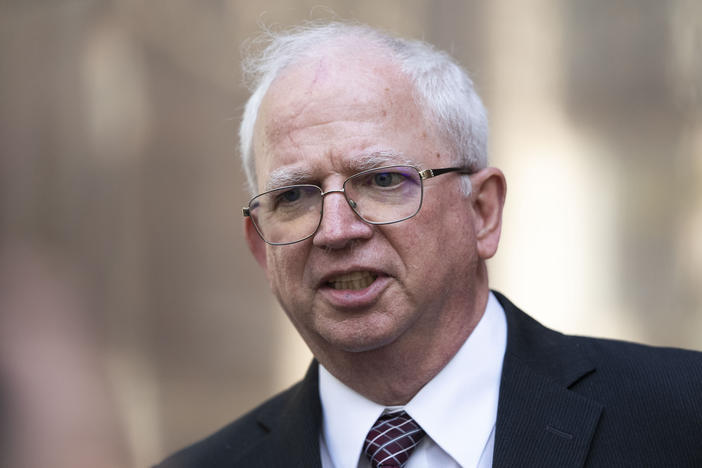
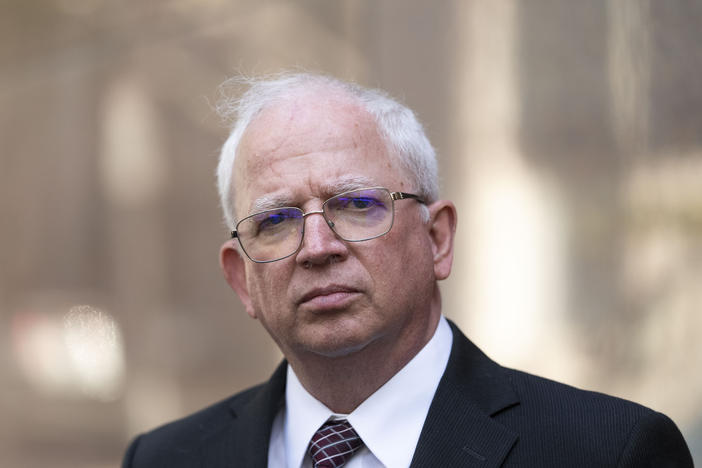
A California judge found that attorney John Eastman committed "exceptionally serious ethical violations" in his efforts to overturn the results of the 2020 election and recommended disbarment.
Three years after supporters of Donald Trump violently stormed the U.S. Capitol on Jan. 6, 2021, the future of the criminal cases against the rioters may hinge on the presidential election.
A retired police chief, who led pro-Trump protests and called for "traitors" in government to be "executed as an example," was sentenced to 11 years in prison for his role in the U.S. Capitol riot.
Prosecutors are tying former President Donald Trump to the violent events on Jan. 6, 2021. His lawyers asked a court to strip references to that language from his federal indictment.
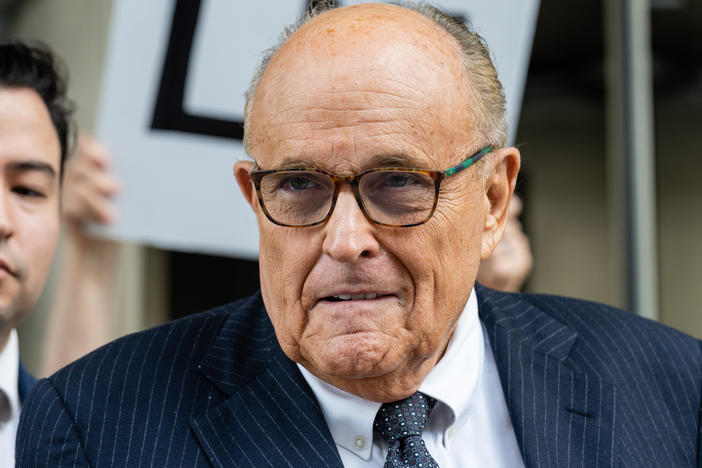
Giuliani submitted this declaration as part of the ongoing civil lawsuit filed in 2021 by election workers Ruby Freeman and Wandrea "Shaye" Moss. The two women sued Giuliani for defamation.
Attorney John Eastman was a key player in Donald Trump's legal efforts to overturn the 2020 presidential election. The State Bar of California is now seeking to revoke Eastman's law license.