The Hotel Oloffson in Haiti's capital Port-au-Prince, long a haven for artists and writers, poets and presidents, a symbol of Haiti's troubled politics and its storied past, has been destroyed by gangs.
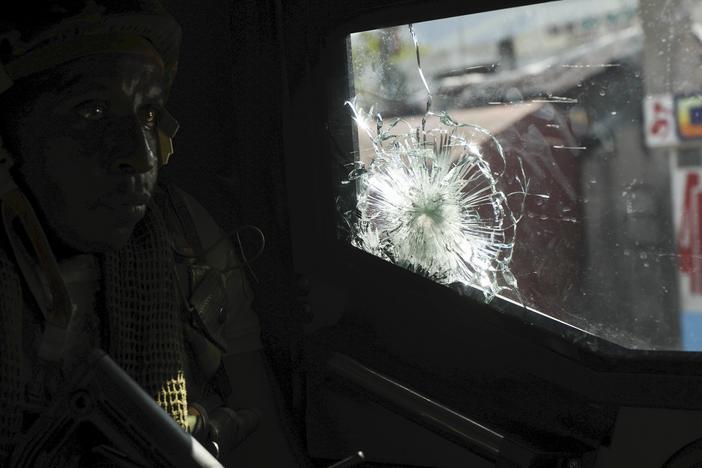
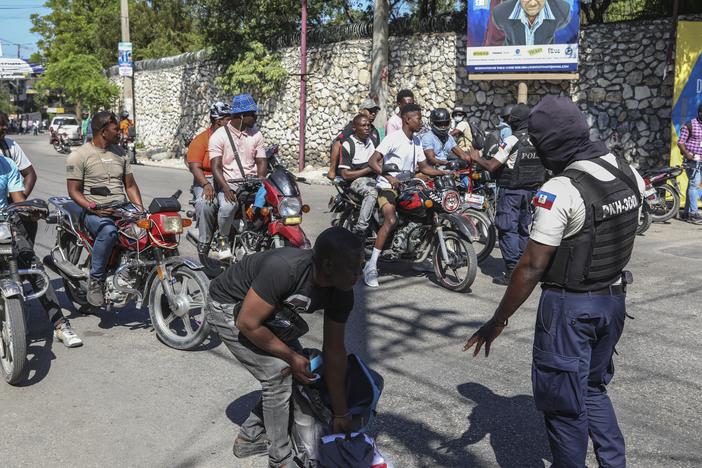
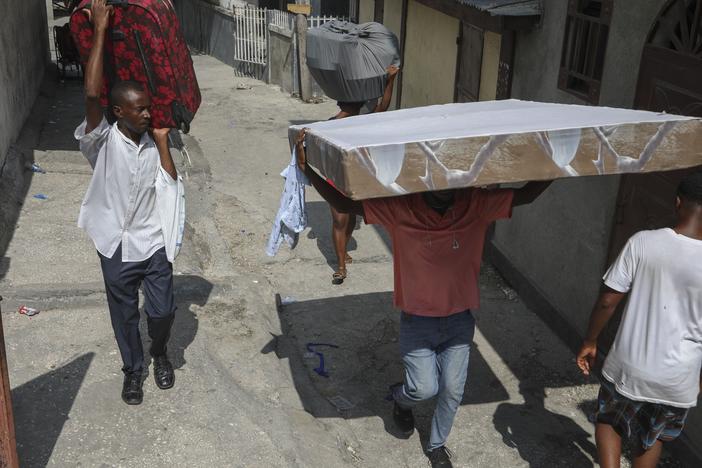
An estimated 90% of the capital Port-au-Prince is now under control of criminal groups who are expanding attacks not only into surrounding areas but beyond into previously peaceful areas.
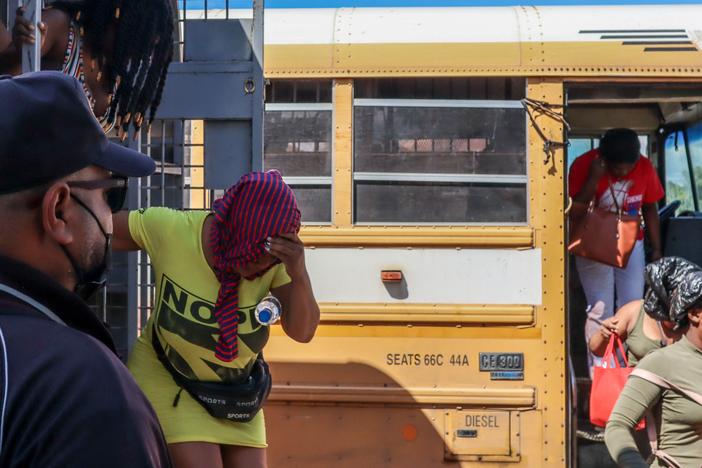
The Department of Homeland Security's new policy, revoking legal protections for hundreds of thousands, impacts people who are already in the U.S. and who came under a humanitarian parole program.
The alleged human rights violations range from unauthorized home raids to racial profiling to deporting breastfeeding mothers and unaccompanied minors.
U.N. Secretary-General Antonio Guterres said in a report that gangs in Haiti could overrun the capital, leading to a complete breakdown of government, without additional international support.
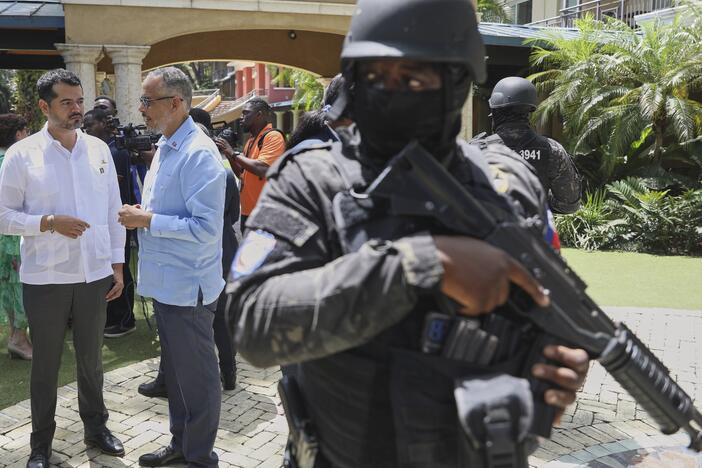
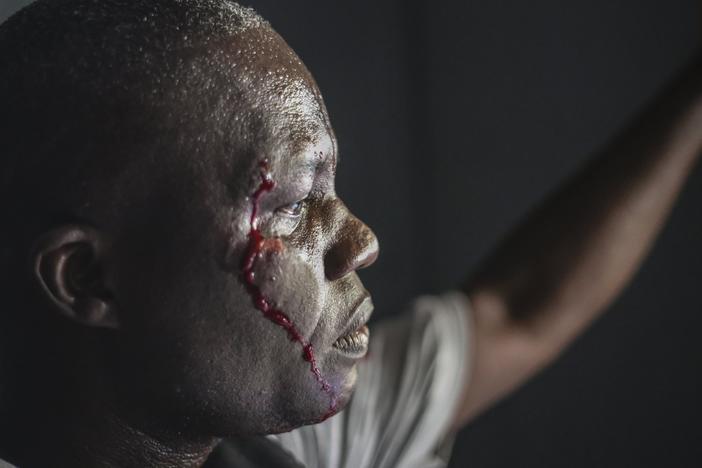
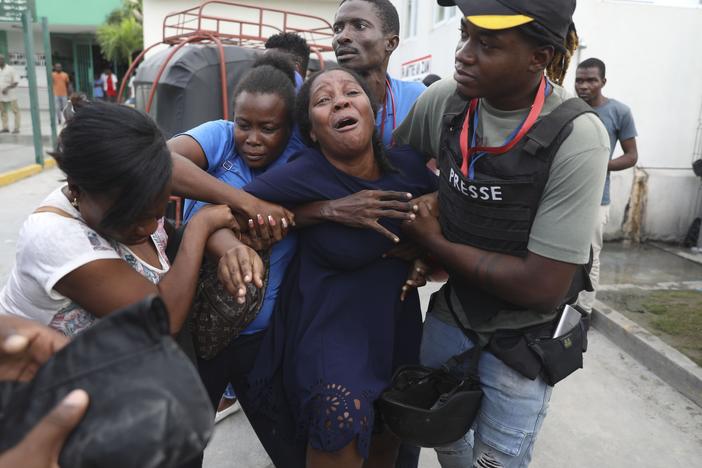
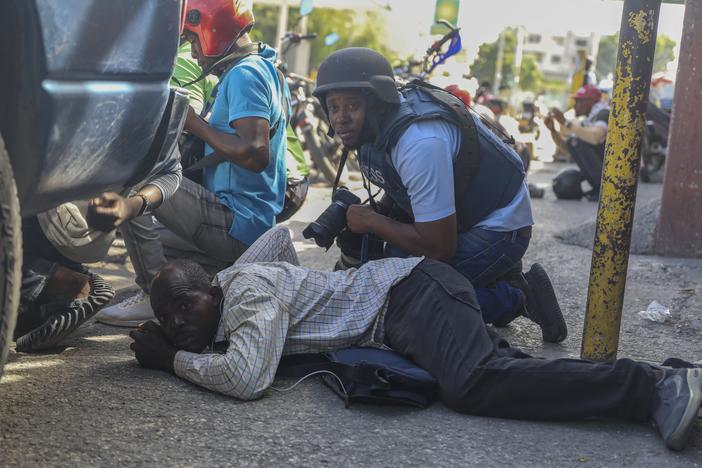
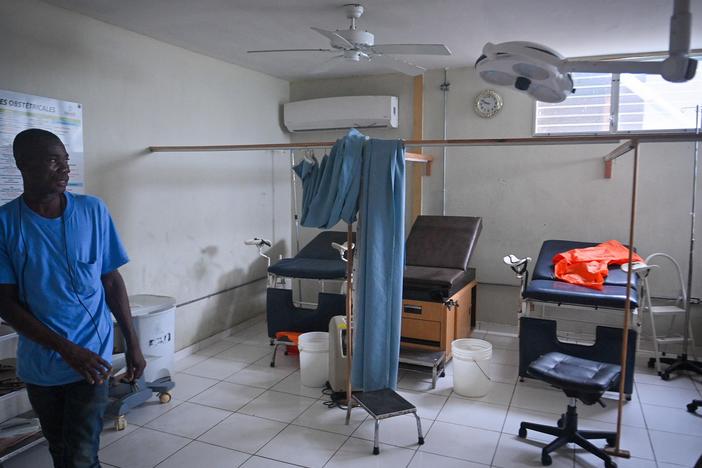
Street gangs forced the General Hospital in Port-au-Prince to close earlier this year. As journalists gathered to cover its reopening, suspected gang members opened fire.
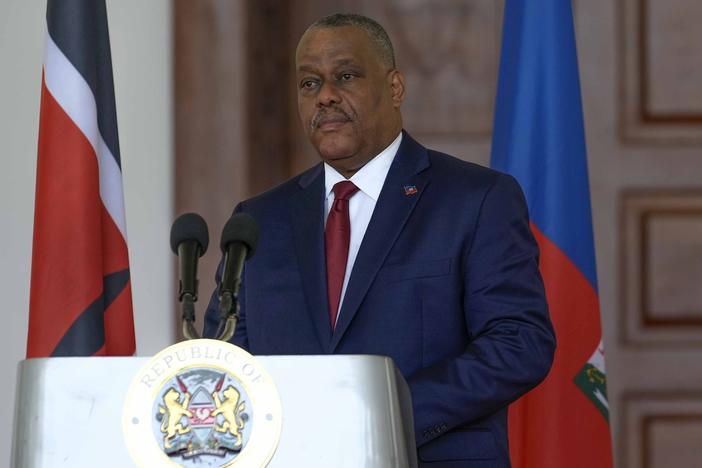
Residents have been angered by the latest gang attacks. Violence forced Haiti's main airport to shut down last week after the country swore in a new prime minister.
The shootings were part of a wave of violence that erupted as the country plagued by gang violence swore in its new prime minister after a politically tumultuous process.
Haiti's international airport shut down temporarily after gangs opened fire at a Spirit Airlines flight landing in Port-Au-Prince. The latest violence came as a new prime minister was sworn in.
It marks even more turmoil in an already rocky democratic transition process for Haiti, which hasn't held democratic elections in years in a large part due to the soaring levels of gang violence.
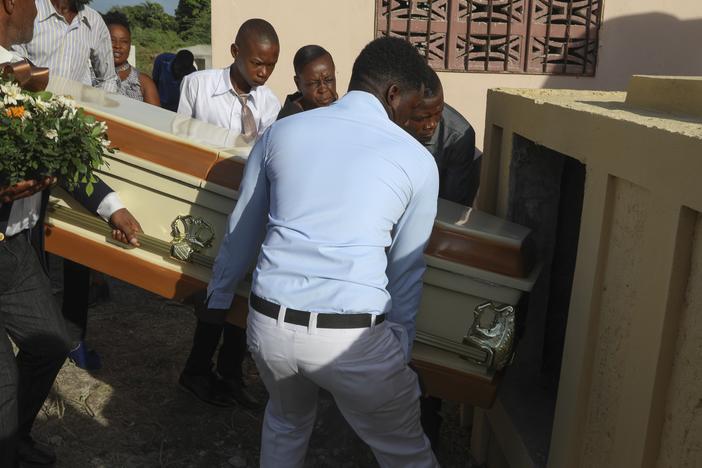
The attack on residents of Pont-Sondé on Oct. 3 was one of the biggest massacres that Haiti has seen in recent history. The U.N. had previously said that at least 70 people were killed.
How do you get a cancer patient to a center that provides treatment when the roads are not safe? That's one of the challenges facing health-care providers in gang-eidden. Haiti. How are they doing?