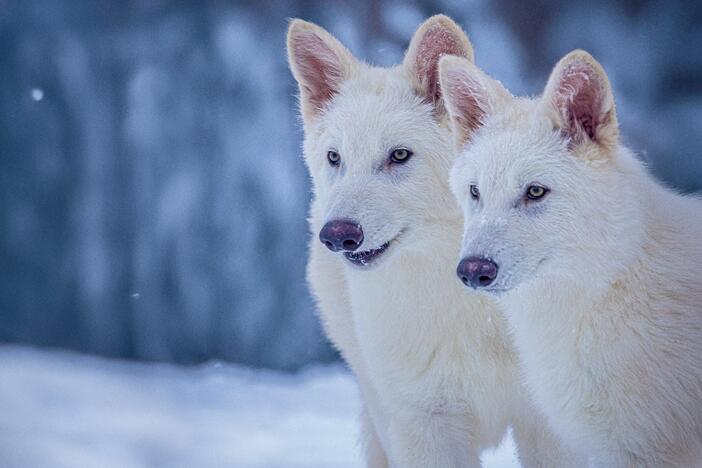
Colossal Biosciences says it used novel gene-editing technology to alter gray wolf DNA to breed the animals. Dire wolves recently featured prominently in the HBO series Game of Thrones.
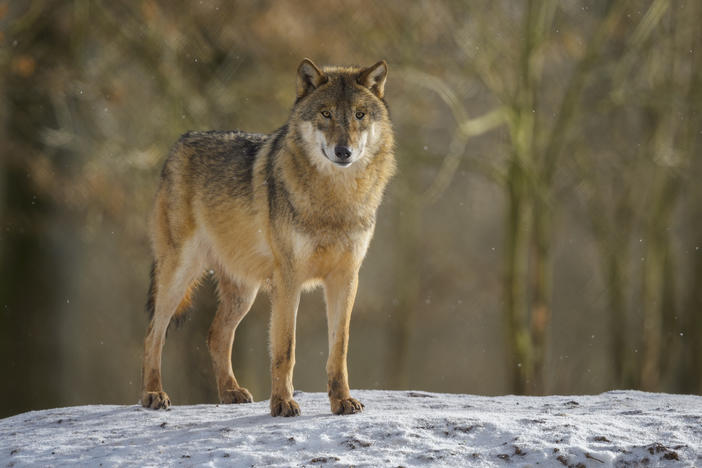
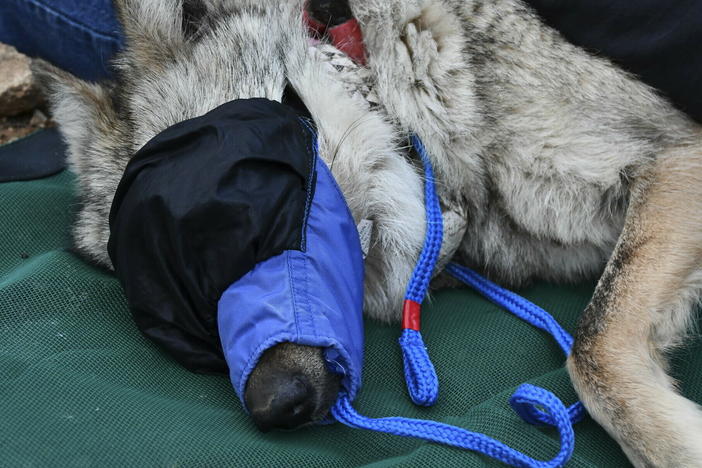
In 1986 the Chernobyl nuclear power plant exploded, releasing radioactive material into northern Ukraine and Belarus. It was the most serious nuclear accident in history. Over one hundred thousand people were evacuated from the surrounding area. But local gray wolves never left — and their population has grown over the years. It's seven times denser than populations in protected lands elsewhere in Belarus. This fact has led scientists to wonder whether the wolves are genetically either resistant or resilient to cancer — or if the wolves are simply thriving because humans aren't interfering with them.
This episode, researchers Shane Campbell-Staton and Cara Love talk through what might be causing this population boom. Plus, why researchers in the field of human cancer are eager to collaborate with them.
Want to hear about other ways humans are impacting the planet? Email us at shortwave@npr.org.
Experts say the endangered animals have a natural inclination to roam and the female wolf's journey illustrates the species can thrive outside designated boundaries in New Mexico and Arizona.
Gray wolves used to roam most of North America before being hunted, trapped and driven out of most of the continental U.S. by the early 1900s. They are native to California.