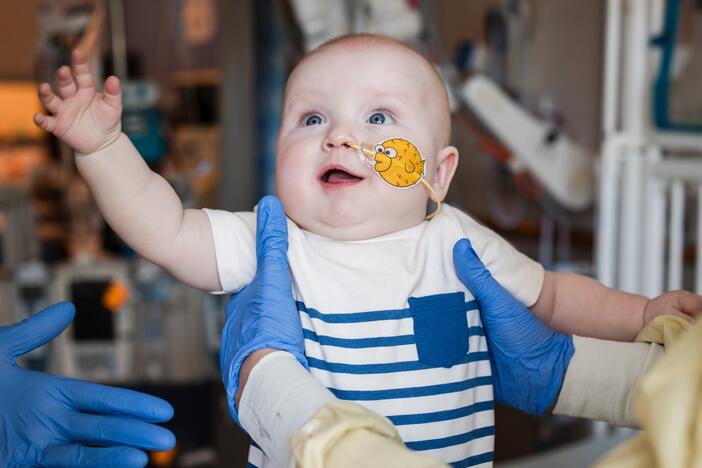
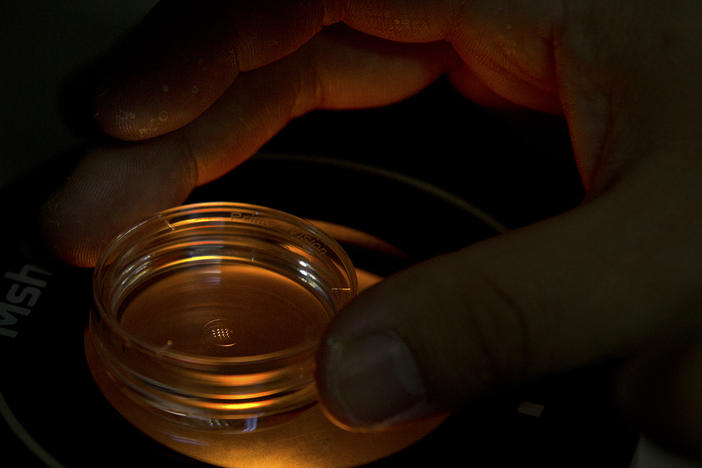
For the first time, doctors have created a customized treatment using the revolutionary gene-editing technique known as CRISPR to treat a baby with a rare, life-threatening genetic disorder.
It’s been almost a year since the Food and Drug Administration approved the first genetic treatments for sickle cell disease. So far, only a few patients have received the long-awaited treatments.
Advisers to the Food and Drug Administration meeting Tuesday paved the way for the first treatment of human disease using the gene-editing technique CRISPR. The agency has a December deadline.
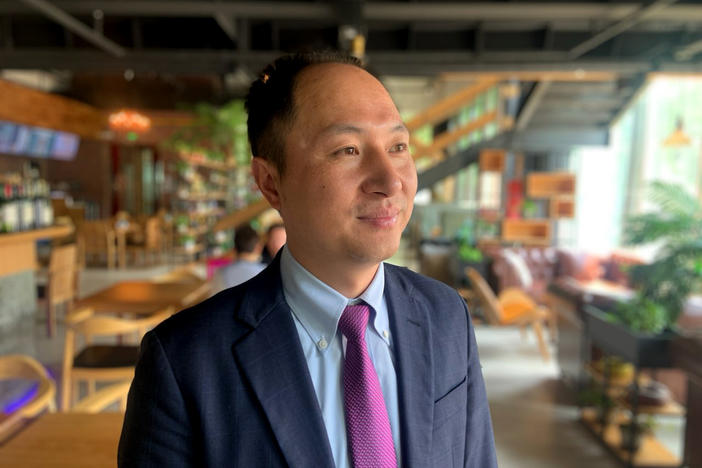
He Jiankui, who shocked the world in 2018 by announcing the creation of the first gene-edited babies, tells NPR he's now working on a cure for Duchenne muscular dystrophy.
The FDA is considering greenlighting the experimental treatment under its accelerated approvals program. Some critics point out the therapy isn't yet proven to work and may be costly.
The Third International Summit on Genome Editing concluded Monday with ethicists warning scientists to slow down efforts to use gene-editing to enhance the health of embryos.
The unprecedented study involves using the gene-editing technique CRISPR to edit a gene while it's still inside a patient's body. In exclusive interviews, NPR talks with two of the first participants.
Gene therapy has helped a 9-year-old boy regain enough muscle strength to run. If successful in others, the treatment could change the lives of thousands of children with Duchenne muscular dystrophy.
The first gene therapy for hemophilia could be approved by the FDA within six months, according to the drugmaker, raising hopes among families. But the drug's price could be $3 million per patient.