Commerce Department employees who were fired, reinstated, and fired again learned belatedly that their health insurance has been cut off. Some had already racked up thousands in medical bills.
In 1978, Congress gave federal workers the right to organize and bargain collectively, finding it in the public interest. Now Trump wants to end those labor rights for most of the federal workforce.
Secretary of Agriculture Brooke Rollins says the department will consider bringing back some employees who took the government's deferred resignation offer.
A coalition of unions, nonprofits and local governments has sued President Trump, Elon Musk and the heads of nearly two dozen agencies in an effort to block mass layoffs in the federal government.
Commerce Department employees caught up in a legal battle over their mass firings are now learning that their health care coverage was cut off weeks ago, even though they were paying their premiums.
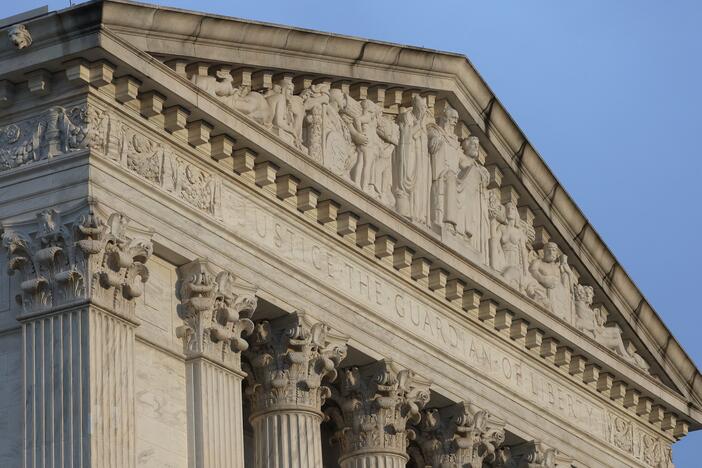
The Supreme Court's stay, which allows the administration to execute the firings for now while it litigates in federal court, does not mean the terminations were lawful.
The Trump administration is firing hundreds and perhaps thousands of federal workers as part of a crackdown on diversity, equity and inclusion efforts. Many of the fired weren't in DEI jobs.
As agencies scramble to comply with President Trump's Jan. 20 order terminating remote work, employees say the process has been marked by confusion, changing guidance and frustrating conditions.
The U.S. Department of Agriculture must temporarily reinstate nearly 6,000 probationary employees fired since Feb. 13, according to a ruling by the Merit Systems Protection Board.
U.S. Special Counsel Hampton Dellinger has asked the Merit Systems Protection Board to temporarily reinstate six federal employees fired from their jobs and is considering ways to seek relief for others.
More than 10,000 federal employees who had yet to complete their probationary periods have been fired by the Trump administration, including those who work to protect American agriculture.
As many as 1,300 probationary employees at CDC and 1,500 at NIH are losing their jobs. Many fear for the future of public health and scientific research.