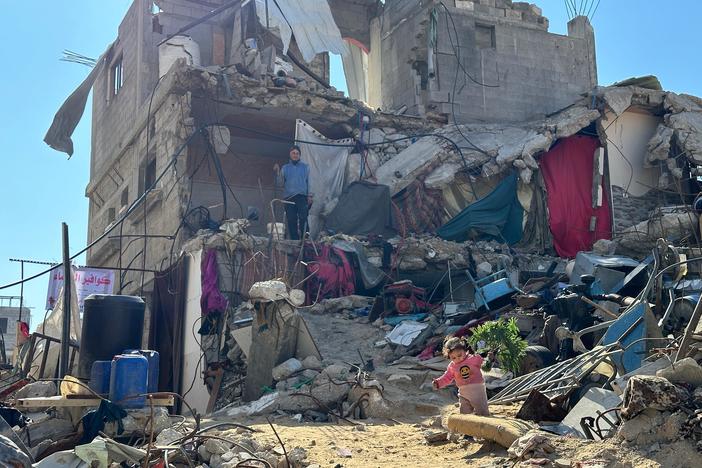
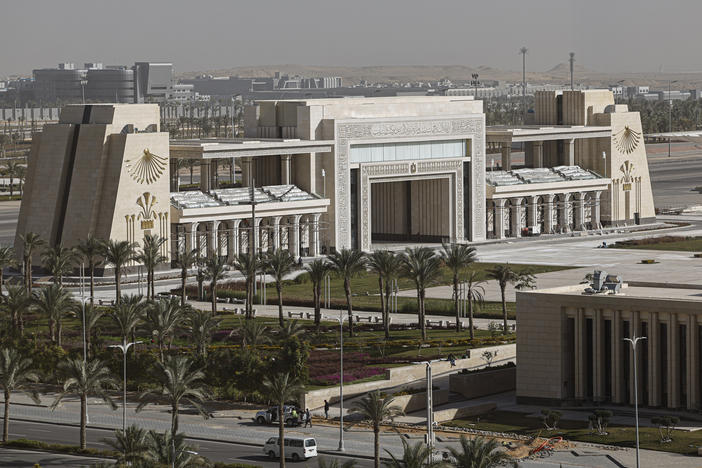
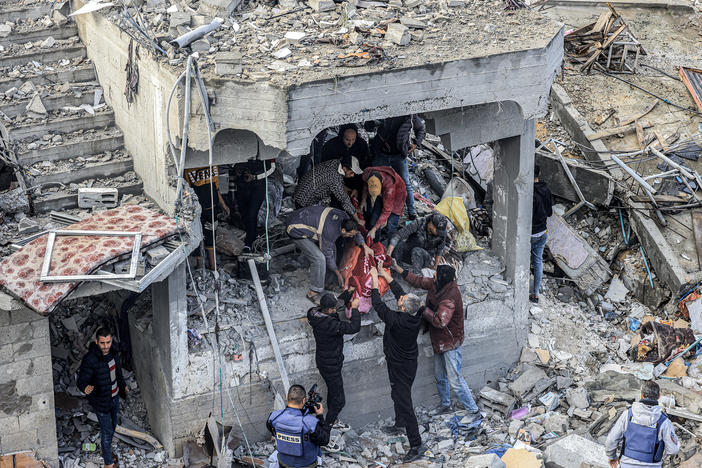
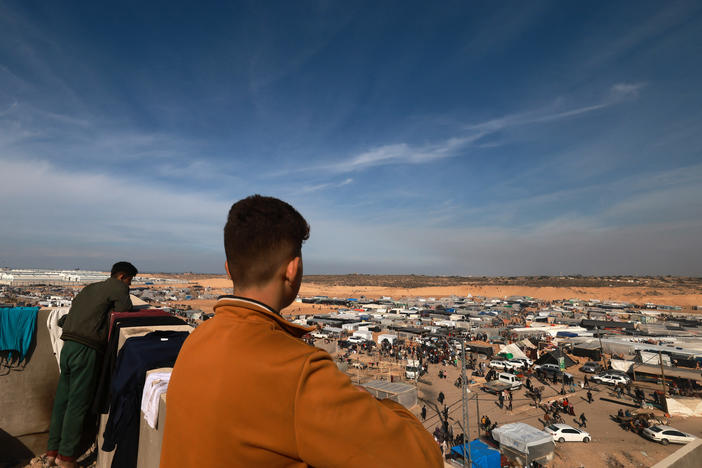
Arab leaders will meet in Cairo to reject Palestinian displacement from Gaza. NPR looks at Egypt's reconstruction plans for Gaza that counter President Trump's ideas of expulsion.
One of the crowning foreign policy achievements of Carter's single term as U.S. president was brokering a series of agreements that later came to be called the Camp David accords in 1978.
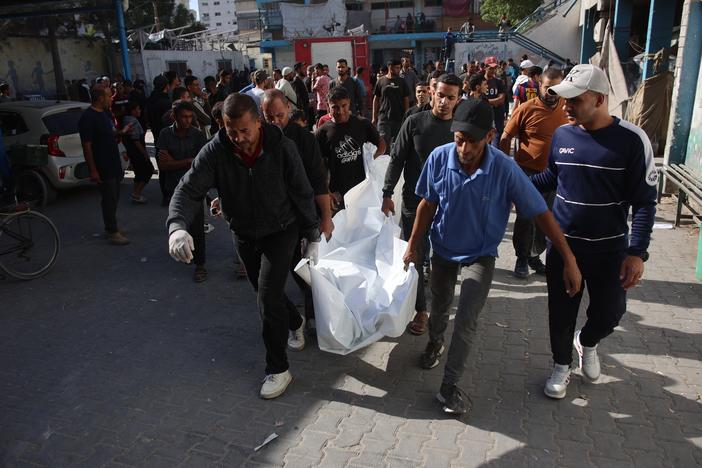
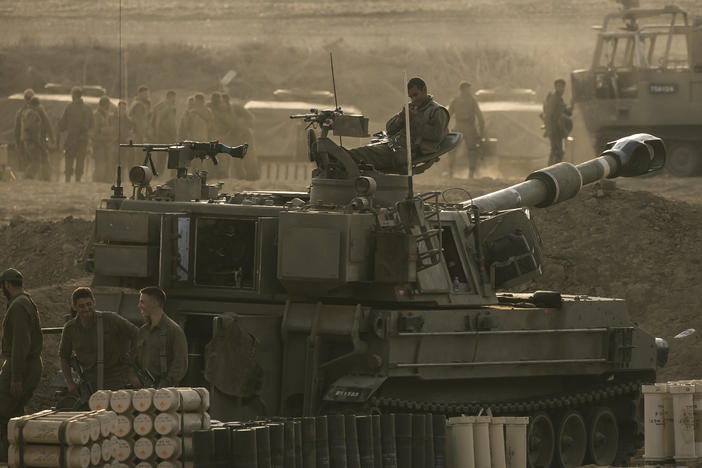
Egypt has a new cease-fire proposal amid Israel’s bombardment and siege of northern Gaza. Israel is discussing the proposal but waiting to see who is elected U.S. president, an official told NPR.
Egypt has been fighting malaria for nearly 100 years. WHO declares a country malaria-free when the disease has not been present for at least three consecutive years before the designation.
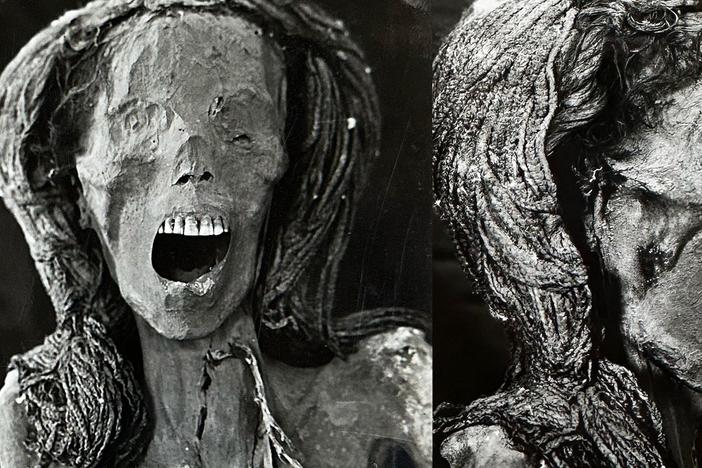
The mummy is believed to be a relative of Senmut, an architect who worked during the reign of ancient Egypt’s most powerful female leader, Queen Hatshepsut. Senmut’s final years also remain a mystery.
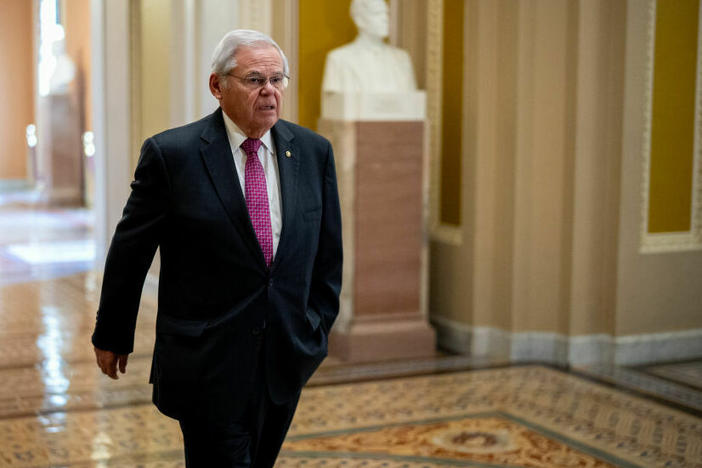
Sen. Robert Menendez, a powerful Democrat from New Jersey, goes on trial in Manhattan on federal corruption charges. Two New Jersey businessmen accused of bribing him are his co-defendants.
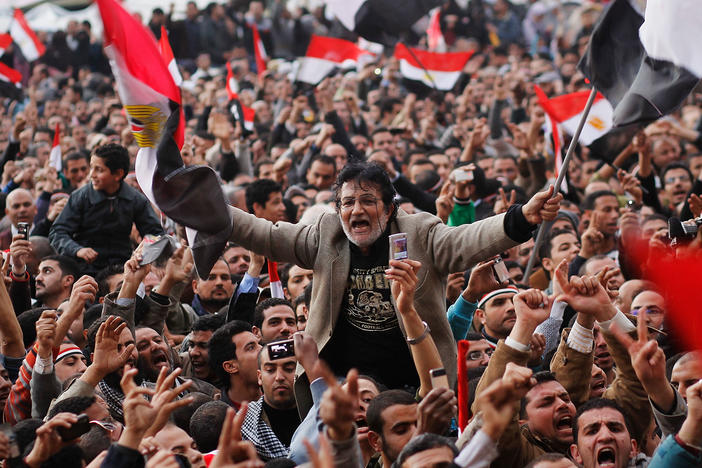
In 2011, the world was shaken by the Arab Spring, a wave of "pro-democracy" protests that spread throughout the Middle East and North Africa. The effects of the uprisings reverberated around the world as regimes fell in some countries, and civil war began in others. This week, we revisit the years leading up to the Arab Spring and its lasting impact on three people who lived through it.
To access bonus episodes and listen to Throughline sponsor-free, subscribe to Throughline+ via Apple Podcasts or at plus.npr.org/throughline.
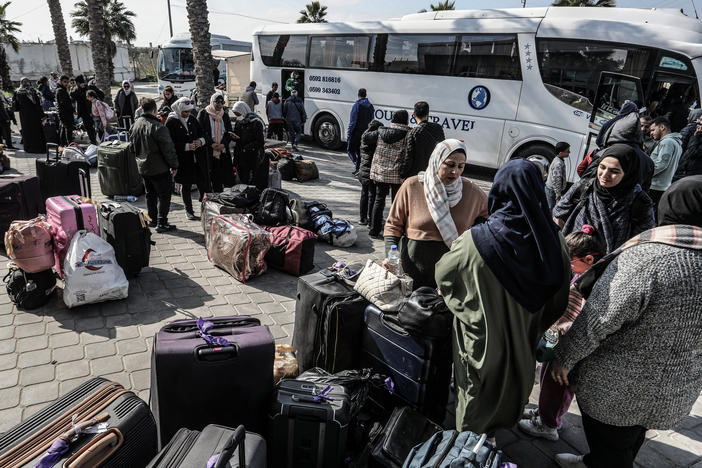
Gaza's borders are tightly controlled and most Palestinians cannot escape the war. Those who can afford it are managing to cross into Egypt by paying thousands of dollars.
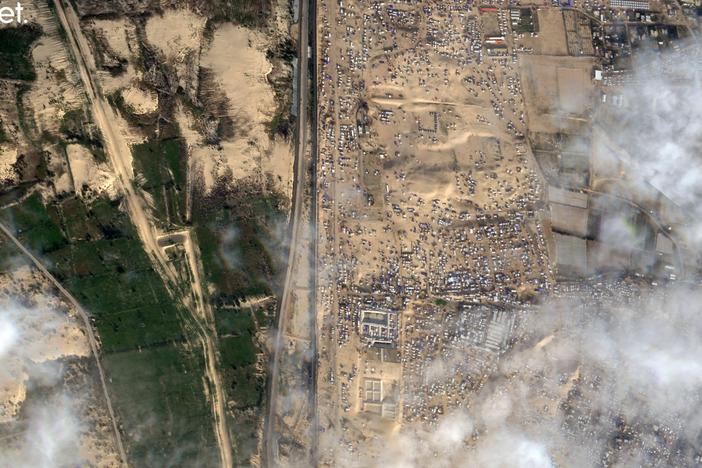
Egypt's empty Sinai Peninsula would offer safety for Palestinian civilians. But Egypt fears refugees might never be allowed back, citing the painful history of earlier Israeli-Palestinian wars.
lsrael is sending a delegation to Paris Friday to meet with officials from the U.S., Qatar and Egypt to discuss the latest outlines of a potential deal for a pause in the fighting in Gaza.
Egypt's economy is facing its worst crisis in decades. The situation could further destabilize the Middle East if it goes unresolved. Now, the International Monetary Fund is working with Egyptian leadership to figure out another deal for a multi-billion dollar loan ... but will it be enough? Today, we look at how Egypt has fallen into economic crisis and whether its economy is too big to fail.
Related episodes: What could convince Egypt to take in Gaza's refugees? (Apple / Spotify)
Red Sea tensions spell trouble for global supply chains (Apple / Spotify)
For sponsor-free episodes of The Indicator from Planet Money, subscribe to Planet Money+ via Apple Podcasts or at plus.npr.org.
H. Sinno, former lead singer of the pioneering Lebanese rock band Mashrou' Leila, pairs their own history with that of the Metropolitan Museum's Temple of Dendur in their new opera.
The tentative plan includes a possible cease-fire, release of Israeli hostages and Palestinians held in Israeli prisons, and a new Palestinian leadership that spans Gaza and West Bank territories.
Hemmed in by Israeli forces and the Mediterranean Sea, Palestinians in Gaza seemingly have only one place left to go — across the border to Egypt. But Egypt is resistant to letting them in.