The Senate parliamentarian advised lawmakers that they couldn't use the Congressional Review Act to revoke California's right to set vehicle standards. But they did it anyway. Expect a legal fight.
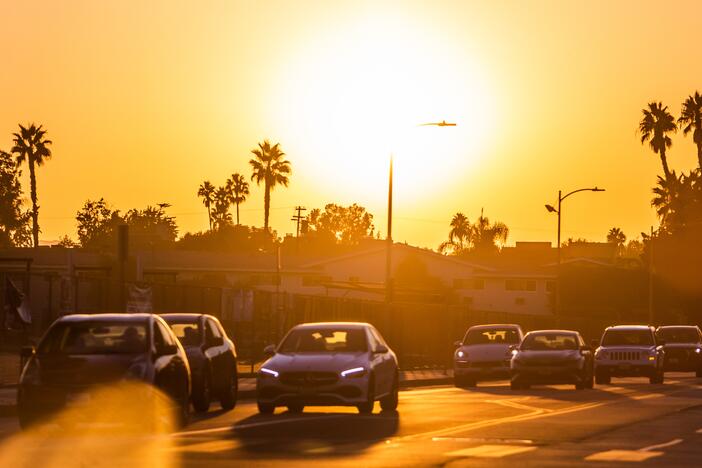
California, which has the unique ability to set vehicle standards, has set ambitious rules requiring all new cars to be zero-emission by 2035. The fate of those rules is now up to the Senate.
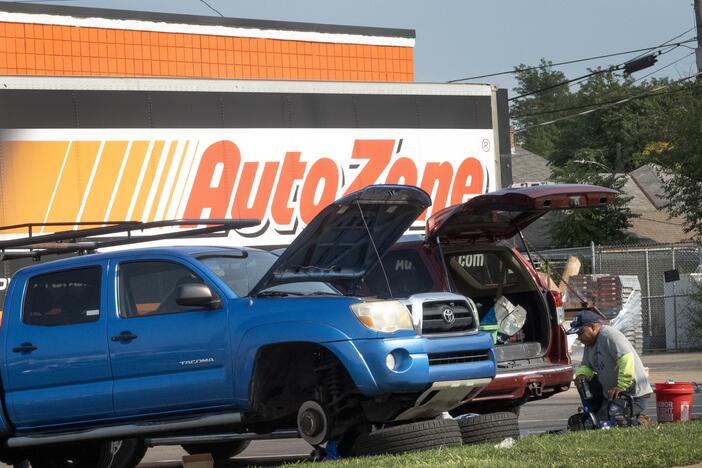
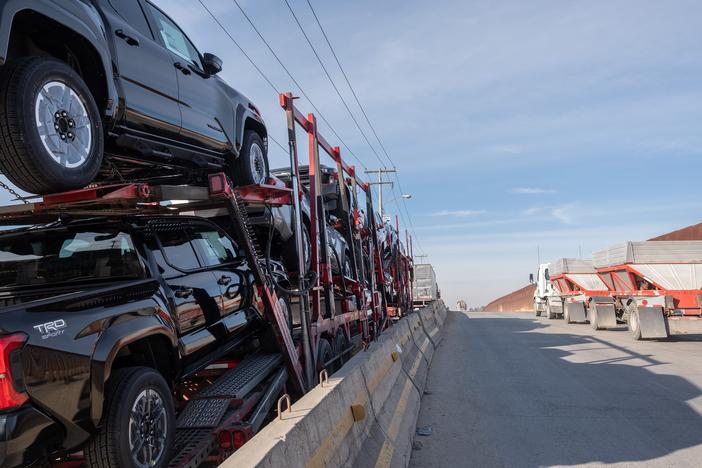
Between the slate of tariffs currently in effect and proposed tariffs on car parts, the cost of car ownership is rising. And that's true even if you're not in the market for a vehicle.
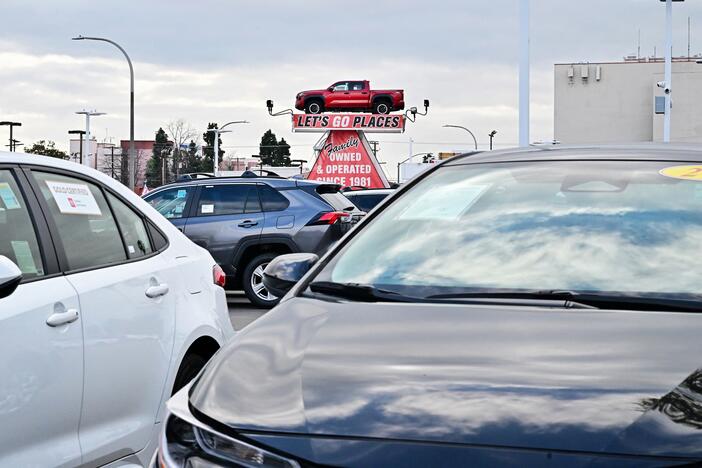
With tariffs on cars, materials and parts threatening to send auto prices up, some shoppers are racing to lock in vehicles at pre-tariff prices. Others plan to drive their current rides into the ground.
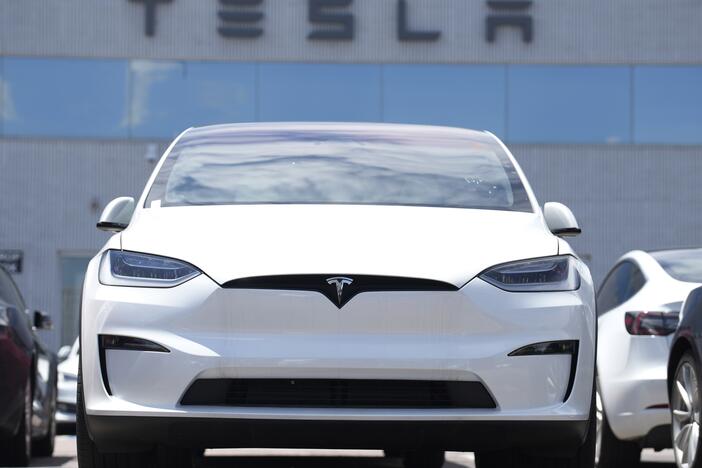
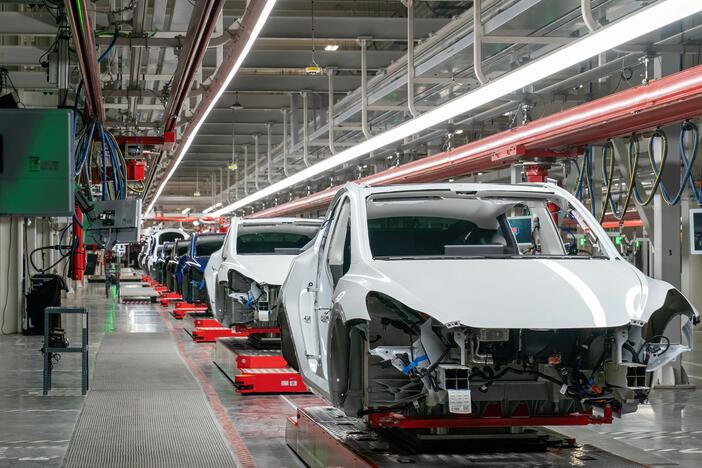
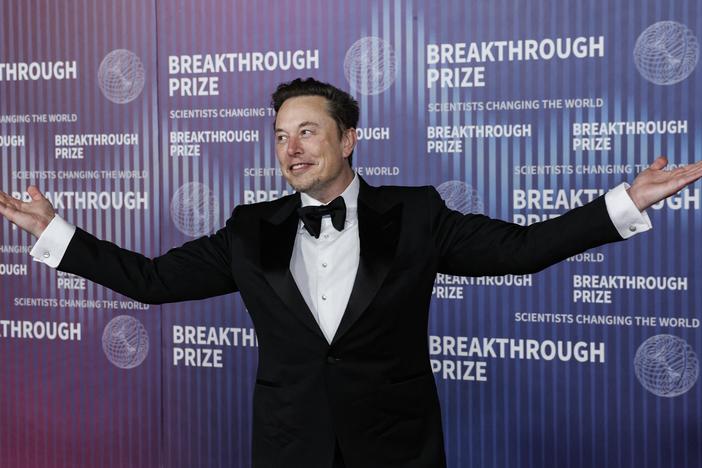
President Trump's rival advisors Peter Navarro and Elon Musk are in a war of words over whether Tesla relies on imported parts. Musk has the facts on his side.
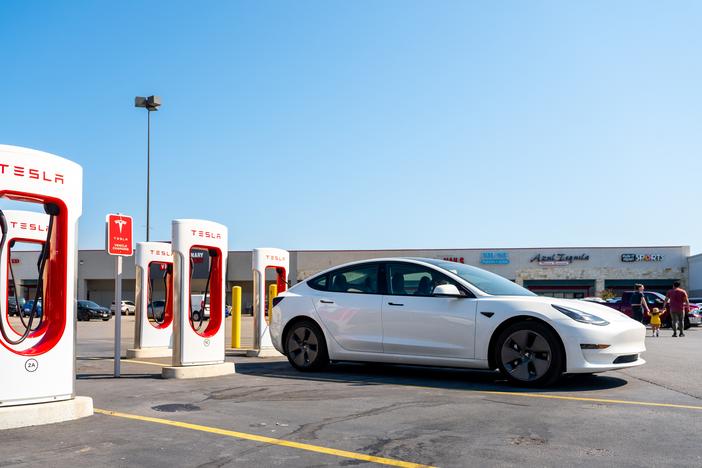
Tesla is gaining traction among conservative buyers, while it loses support among liberals. But are there enough Republican EV shoppers to make up the difference?
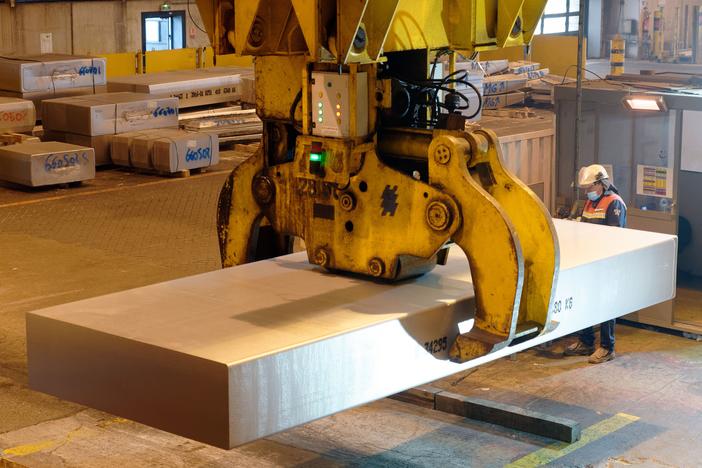
Tariffs on steel and aluminum are increasing to 25% — not the 50% that President Trump had recently threatened, but high enough to be a headache for automakers.
The White House describes the tariffs as a response to inadequate border and drug enforcement. They are forecast to add thousands of dollars to the price of vehicles.
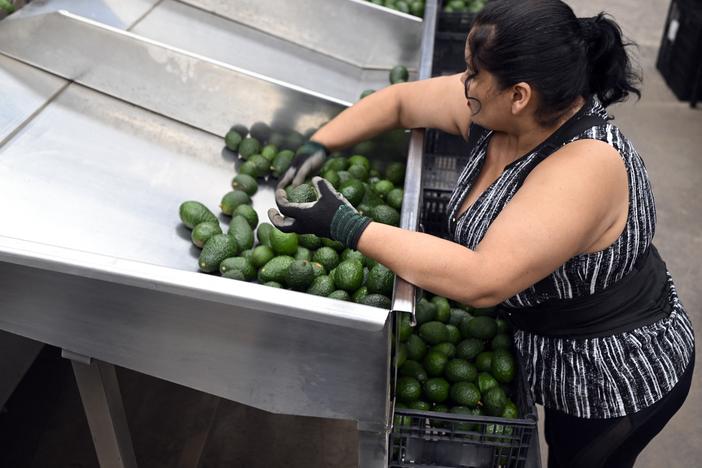
President Trump renewed his threat to impose 25% tariffs on imports from Mexico and Canada as early as this weekend. The move could raise prices on everything from gasoline to guacamole.
On Thursday night, Tesla is holding a splashy event it’s calling “We, Robot.” CEO Elon Musk says fully autonomous vehicles are key to Tesla’s future, and for years he has promised they are coming.
Electric vehicles are caught up in the culture wars. Data from Ipsos shows the percentage of Americans who believe EVs are better for the environment than gas cars has dropped 5 points since 2022.
The Biden administration has proposed a prohibition on Chinese and Russian automotive hardware and software to protect US drivers from 'disruption and sabotage'
The four major U.S. automakers — GM, Ford, Stellantis and Tesla — all reported earnings this week and saw their stocks decline. The auto industry is at a "Darwinian" inflection point, says one CEO.