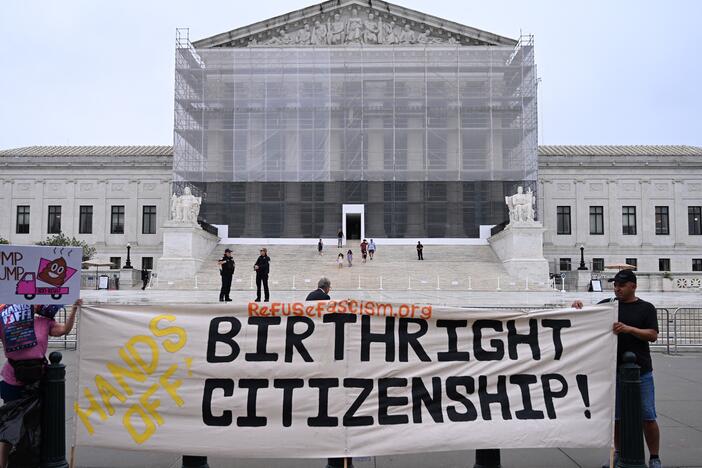
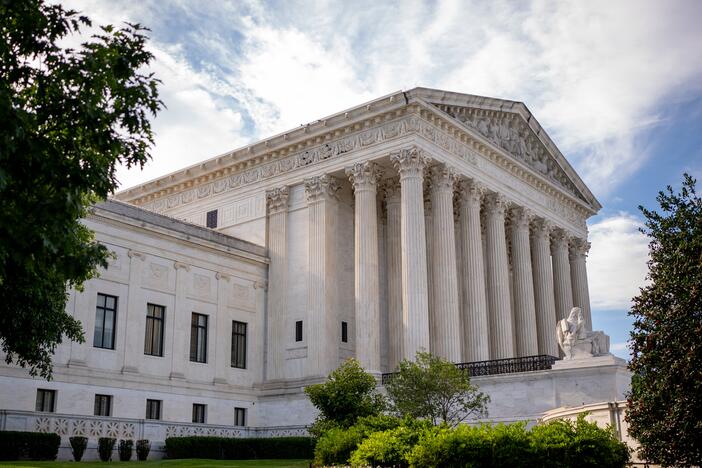
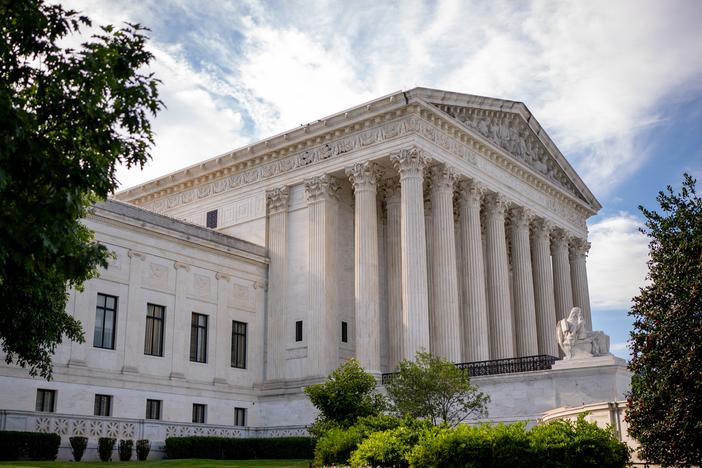
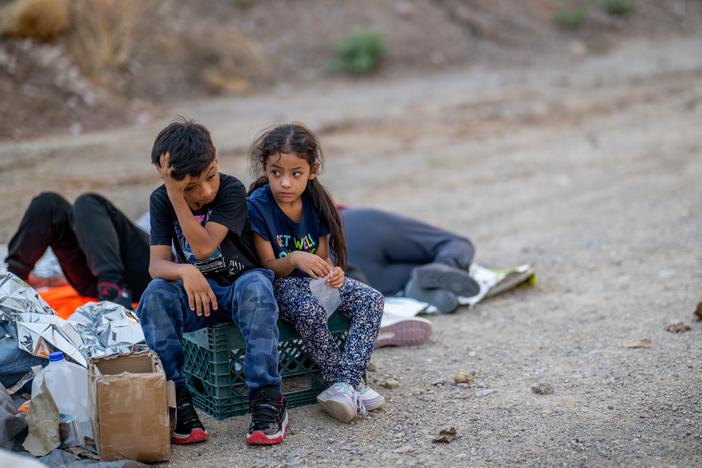
Within two hours of a Supreme Court ruling that limits the ability of federal courts to impose universal injunctions, lawyers for immigrant rights groups filed a class action lawsuit on behalf of their clients.
The Supreme Court term has given the Trump administration a series of major wins in the final blockbuster week of its term. We rounded up the final decisions in one place.
The decision issues some limits on the power of federal judges to universally block President Trump's executive order on birthright citizenship, asking lower courts to reconsider their rulings.
The Trump administration seeks to challenge the constitutional provision that guarantees automatic citizenship to babies born in the U.S. But the arguments are likely to focus on a different question.
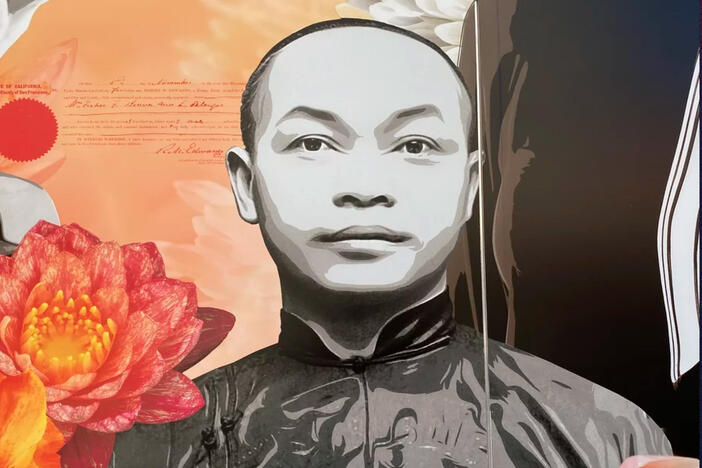
Who was Wong Kim Ark and what is the story behind the Supreme Court case United States vs. Wong Kim Ark? Find out here, and listen to a full episode to learn more.
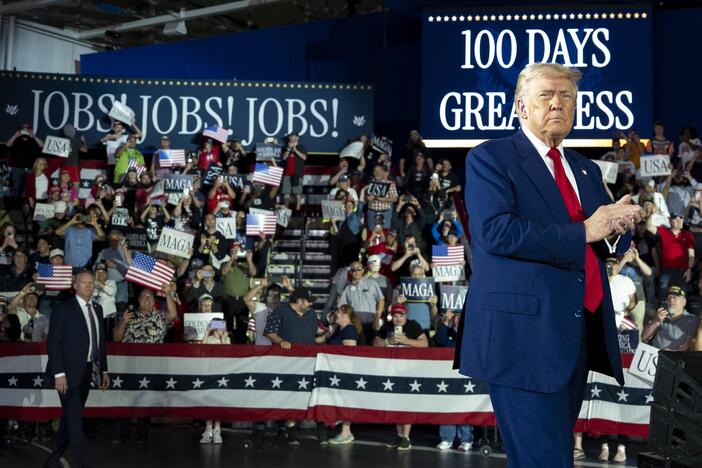
From foreign policy and tariffs to immigration changes and targeting of DEI, here's a look back at some of the major moves made in the past 100 days of President Trump's second administration.
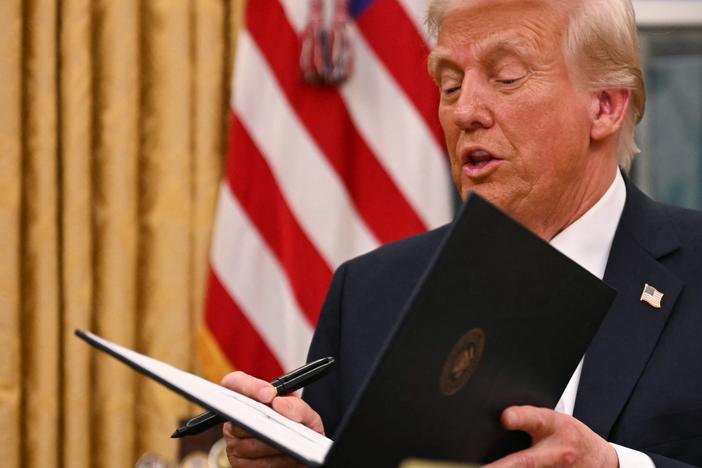
Trump issued an executive order on day one of his administration that sought to limit birthright citizenship, an idea widely considered a fringe view because the Supreme Court ruled to the contrary 127 years ago, and that decision has never been disturbed.
The president's contention that birthright citizenship is unconstitutional is considered a fringe view because the Supreme Court ruled to the contrary 127 years ago.
One of Trump's executive orders moves to end birthright citizenship, a right enshrined in the Constitution. Here's what you need to know about the legal principle and its possible future.
Trump wants to reinterpret the phrasing of the 14th Amendment to mean that the federal government would not recognize automatic birthright citizenship for children born in the U.S. to parents without legal status.
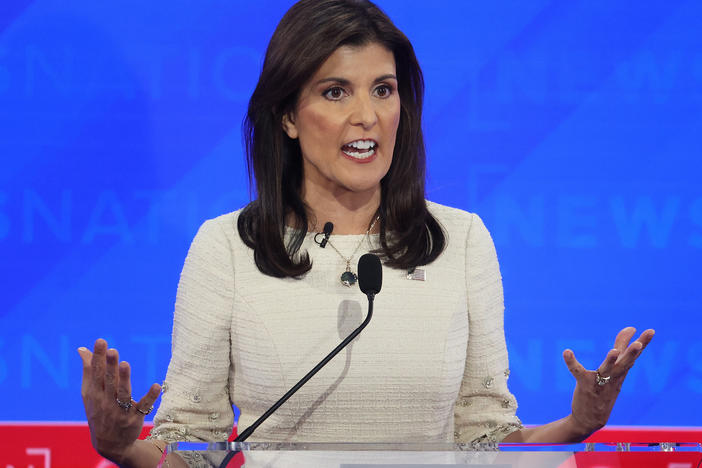
The former governor of South Carolina, Haley was born in the southern state. But as she surges in Republican polls, Trump is elevating false conspiracy theories about her citizenship on social media.
The navy blue booklets, available to anyone born there, allow entry to 171 countries without a visa. It's a backup plan that well-off Russians believe may come in handy in the ever-uncertain future.