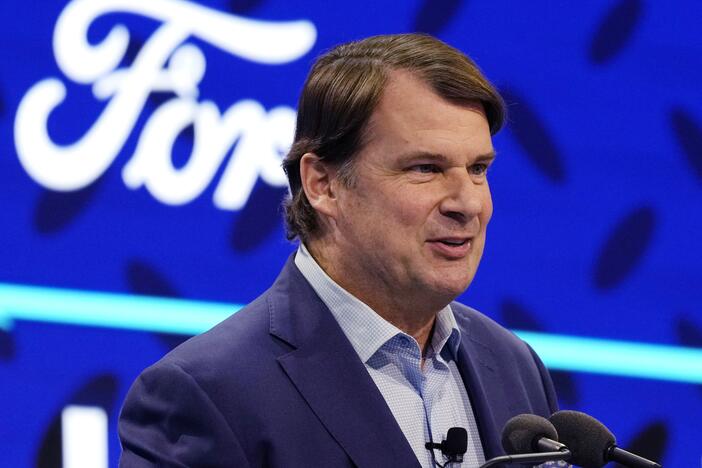
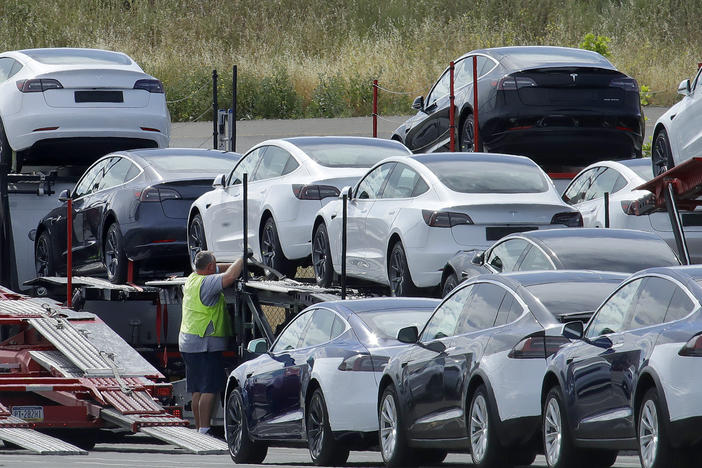
President Trump is easing some of his tariffs on the U.S. auto industry. But what will the overall impact of these economic policies mean for the nation's biggest carmakers? Ford Motor CEO weighs in.
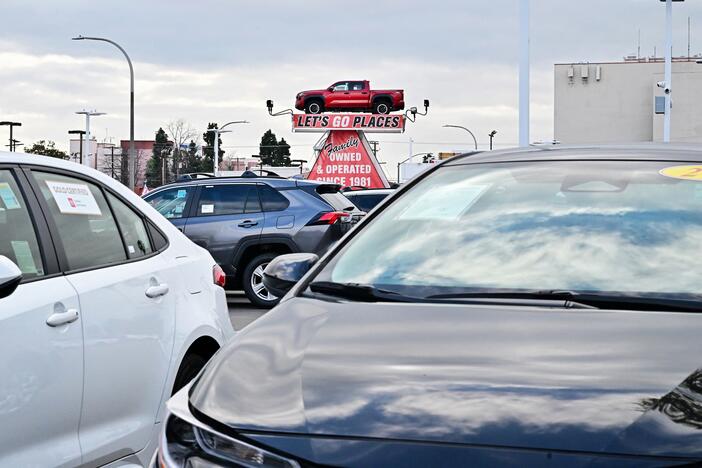
With tariffs on cars, materials and parts threatening to send auto prices up, some shoppers are racing to lock in vehicles at pre-tariff prices. Others plan to drive their current rides into the ground.
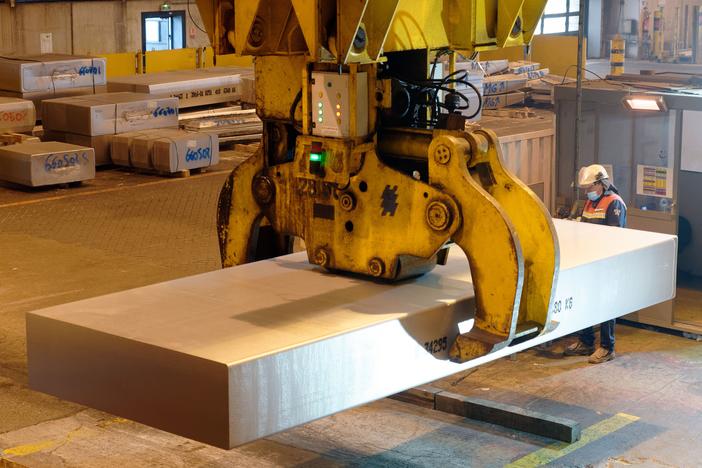
Tariffs on steel and aluminum are increasing to 25% — not the 50% that President Trump had recently threatened, but high enough to be a headache for automakers.
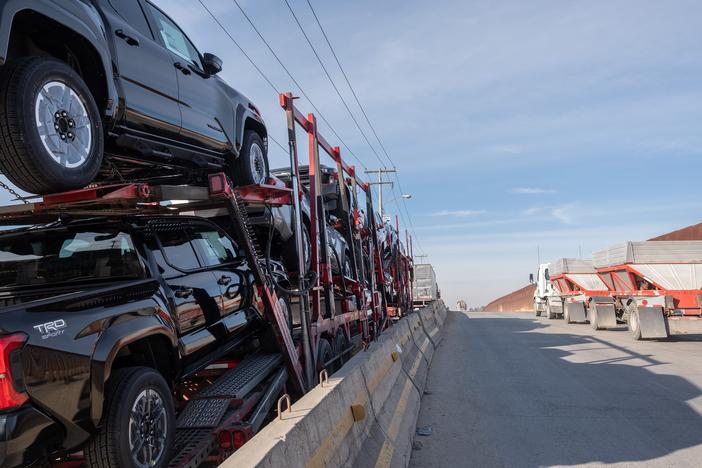
The White House describes the tariffs as a response to inadequate border and drug enforcement. They are forecast to add thousands of dollars to the price of vehicles.
Vehicle dealers are pushing back on rules that would increase the number of electric trucks sold in New Jersey. It could be a preview of a brewing fight over state rules about cars.
Ford will write down hundreds of millions of dollars because of the pivot. A key reason for the change, an analyst tells NPR, is that big batteries bring big costs.
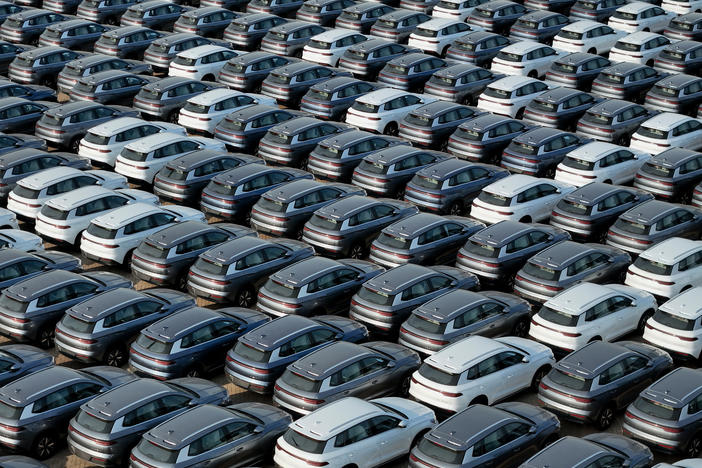
American drivers want cheap EVs. Chinese automakers are building them. But you can't buy them in the U.S., thanks to tariffs in the name of U.S. jobs and national security. Two car shoppers weigh in.
Whether it's pesticides in your cereal or the door plug flying off your airplane, consumers today have plenty of reasons to feel like corporations might not have their best interests at heart. At a moment where we're seeing unprecedented product recalls, and when trust in the government is near historic lows, we're going to revisit a time when a generation of people felt empowered to demand accountability from both companies and elected leaders — and got results. Today on the show, the story of the U.S. consumer movement and its controversial leader: the once famous, now infamous Ralph Nader.
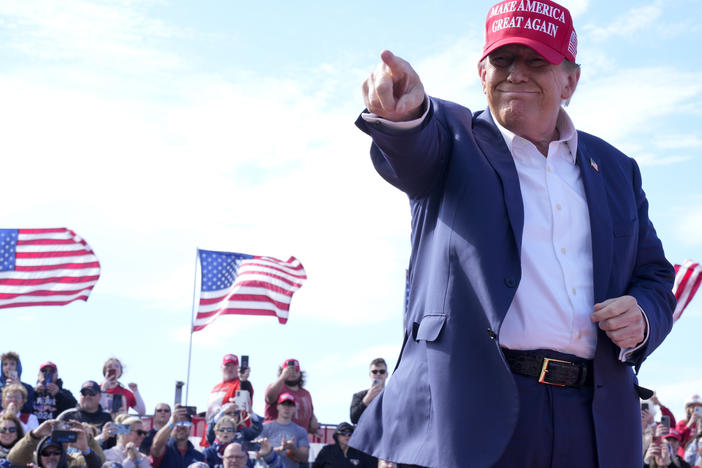
Former President Trump claimed he will protect Social Security and warned of a "bloodbath" in the auto industry if he loses the election at a rally for Senate candidate Bernie Moreno in Ohio.
Seven Republicans will join the second GOP debate Wednesday but the front-runner, former President Donald Trump won't be one of them. Instead, Trump will head to Michigan to court autoworkers.
Automakers are building more electric vehicles, but the EPA wants to set rules pushing them to go even faster. Environmental groups say that's essential; traditional carmakers say it's not feasible.
The warning covers vehicles from the 2000 through 2006 model years that previously had been recalled to replace the faulty and dangerous air bag inflators.
European Union states agreed to a plan after adding an exemption for cars that run on e-fuels. In the U.S., efforts to phase out gas-powered cars include future bans in several states.
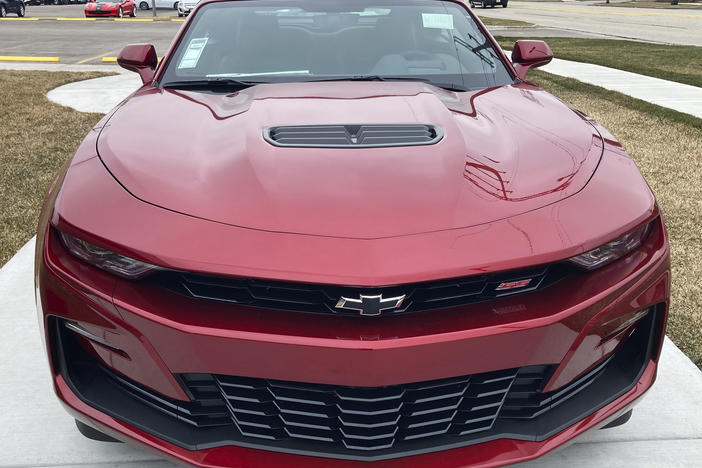
The Chevrolet Camaro, for decades the dream car of many teenage American males, is going out of production early next year. But General Motors says another generation may be in the works.
Tesla is recalling the vehicles to fix problems with the way the "Full Self-Driving" system behaves around intersections and following posted speed limits. The fix will come in a software update.