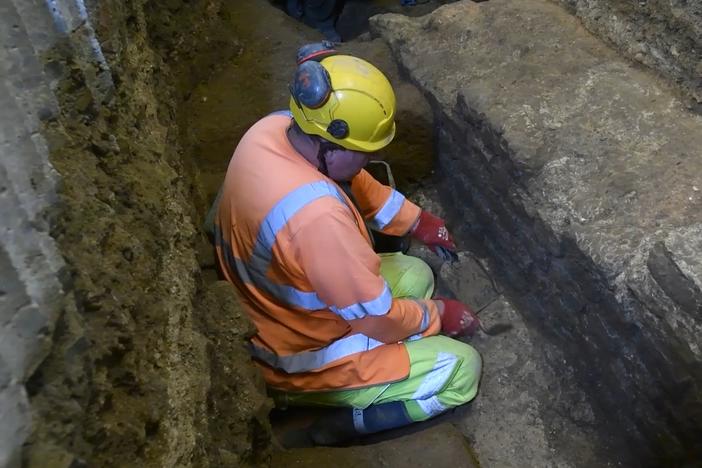
The basilica, dating back some 1,900 years, was found during excavations that took place as part of the demolition of a building in the heart of London.
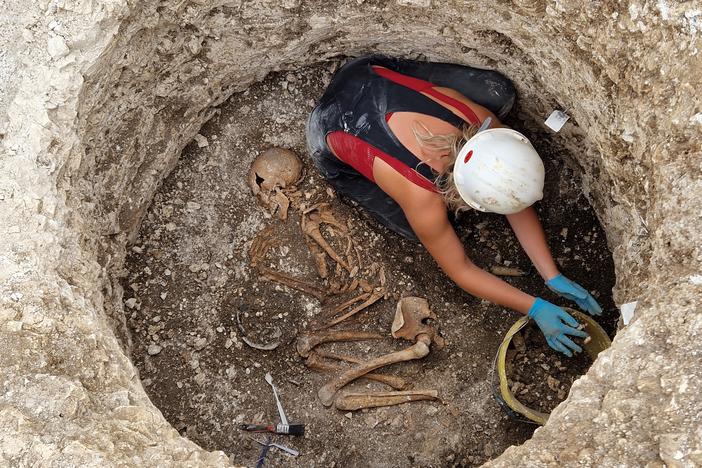
Ancient DNA reveals that during the Iron Age, women in ancient Celtic societies were at the center of their social networks — unlike previous eras of prehistory.
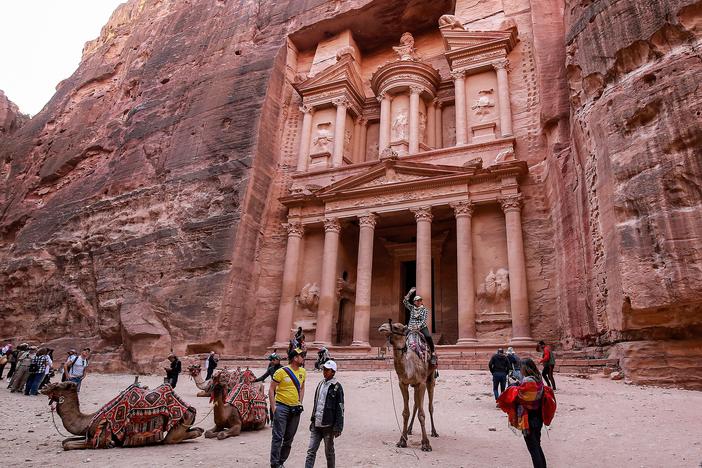
The Treasury in Petra, Jordan, is a famous tourist site and features in an Indiana Jones movie. Now archaeologists say they've found a remarkable 12 complete skeletons in a hidden tomb beneath it.
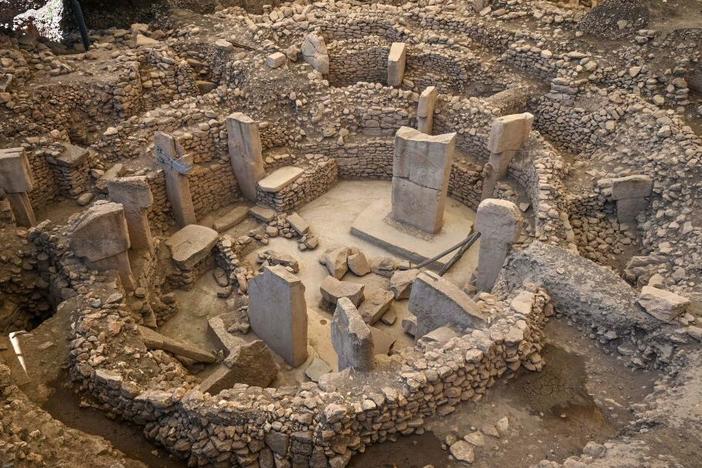
Researchers say an ancient calendar discovered in southern Turkey may also memorialize a devastating comet strike that hit Earth nearly 13,000 years ago.
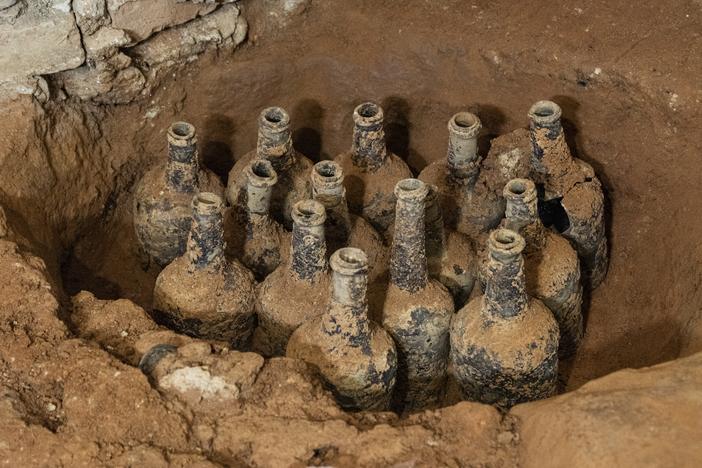
Archaeologists unearthed 35 bottles of cherries from the cellar of George Washington's Mount Vernon. The 250-year-old fruits, many still intact, can shed new light on those who lived and worked there.
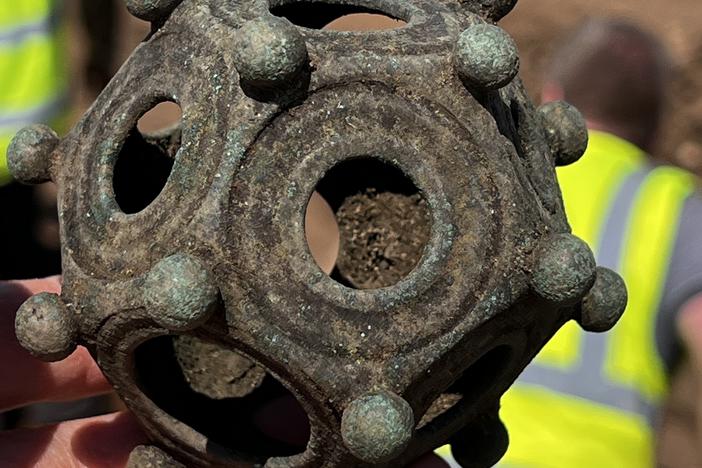
More than 100 of these artifacts have been found across Europe, but no one knows what they were used for. This dodecahedron was discovered fully intact and in excellent condition.
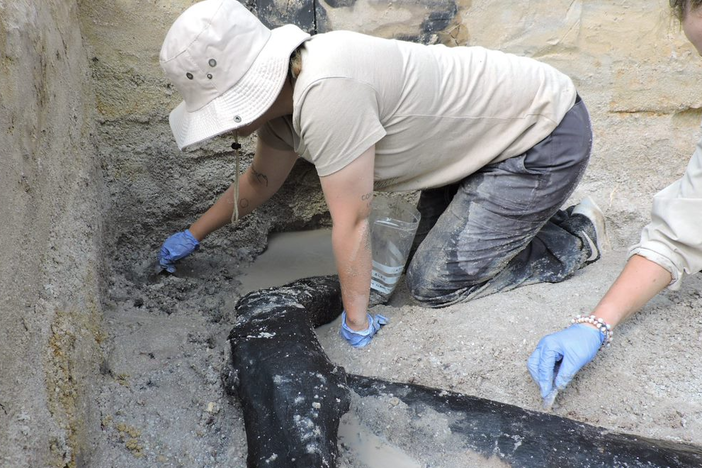
Archaeologists dug into a riverbank in Zambia and uncovered what they call the earliest known wood construction by humans. The half-million year-old artifacts could change how we see Stone-Age people.
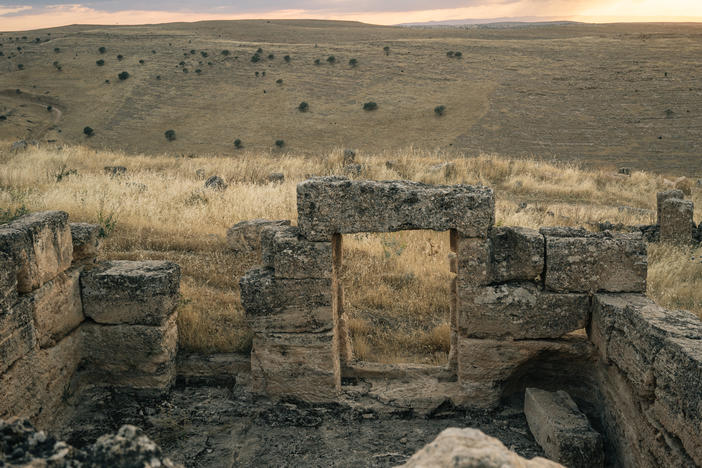
The multistory, below-ground structures in Diyarbakir — ID'ed by using ground-penetrating radar — may have sheltered some 10,000 people during wartime many centuries ago, archaeologists believe.
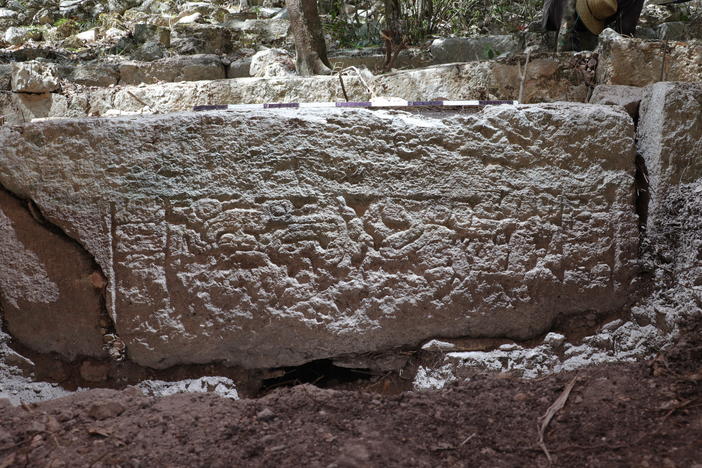
Light-mapping technology is expediting the pace of archaeological discovery in the dense jungles of central Mexico. The latest find could offer clues about how humans advanced agriculturally.
"Everywhere you dig, you will find something — because Lima was home to great civilizations," says a museum director in the capital. "But it's impossible to save everything in a poor country."
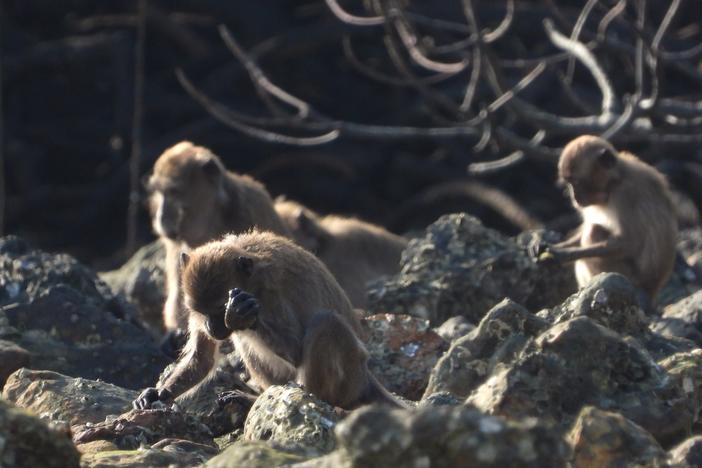
Monkeys using stones to crack open nuts generate many stone flakes accidentally that look exactly like the ones archaeologists have long thought early humans made intentionally as tools. Oops.