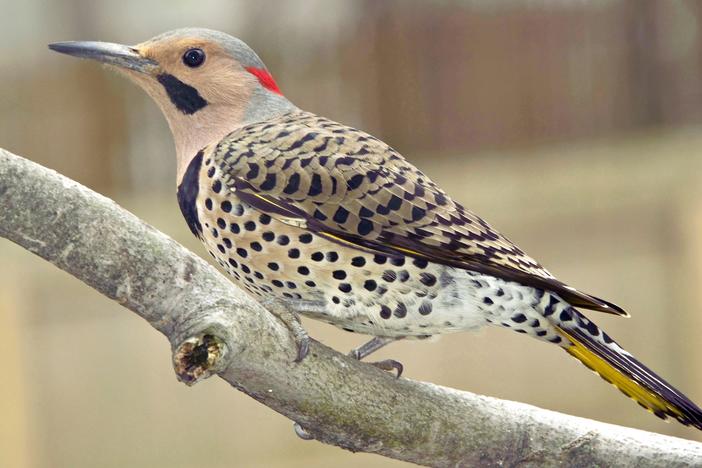
Nest-building isn’t just instinct. Birds can learn from others, letting groups within one species develop their own distinctive nest-building traditions.
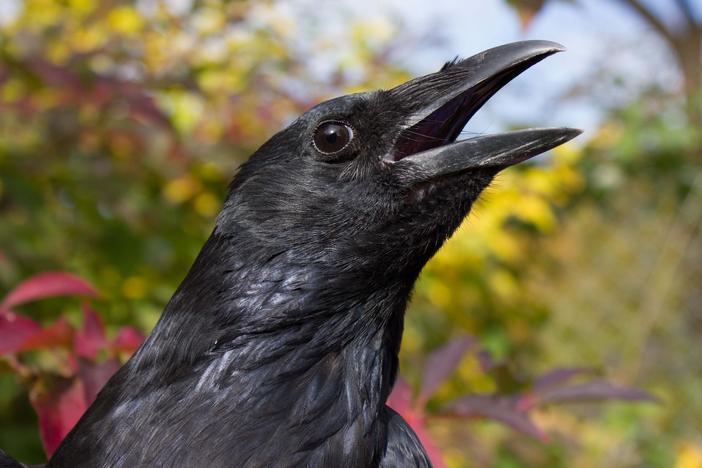
A study finds that carrion crows can be taught to count and make vocalizations that indicate the number counted, much in the same way that human toddlers do.
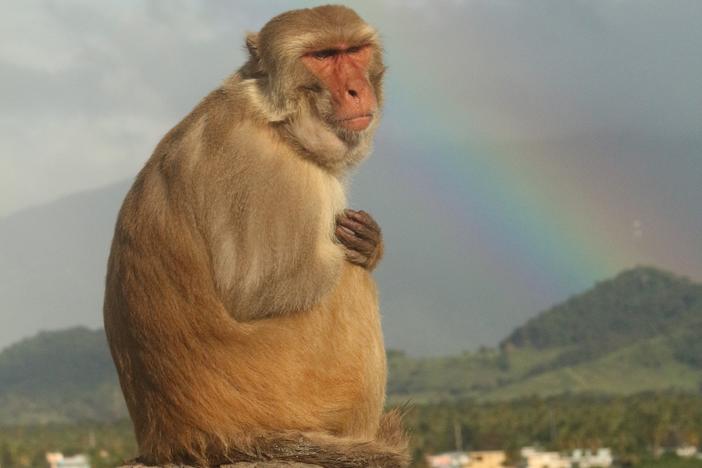
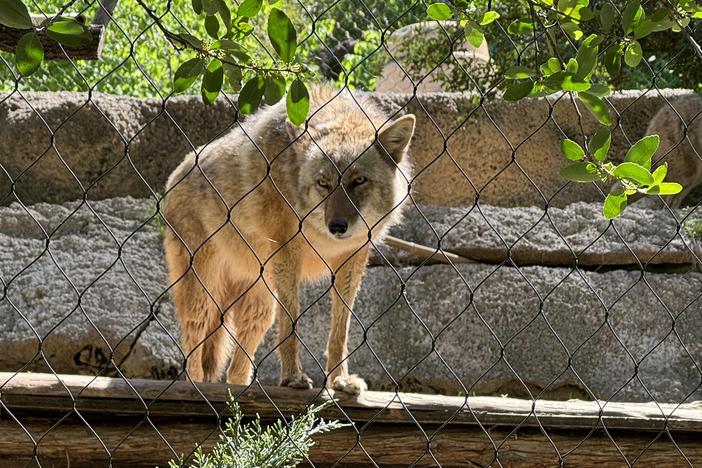
Rhesus macaques on Cayo Santiago are known for being intolerant, hierarchical and aggressive. After 2017's Hurricane Maria destroyed their home, the monkeys' society underwent surprising changes.
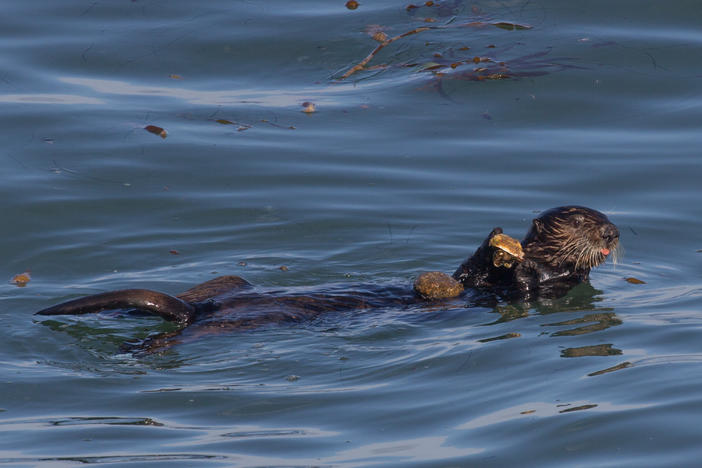
Some otters rely on tools to bust open hard-shelled prey items like snails, and a new study suggests this tool use is helping them to survive as their favorite, easier-to-eat foods disappear.
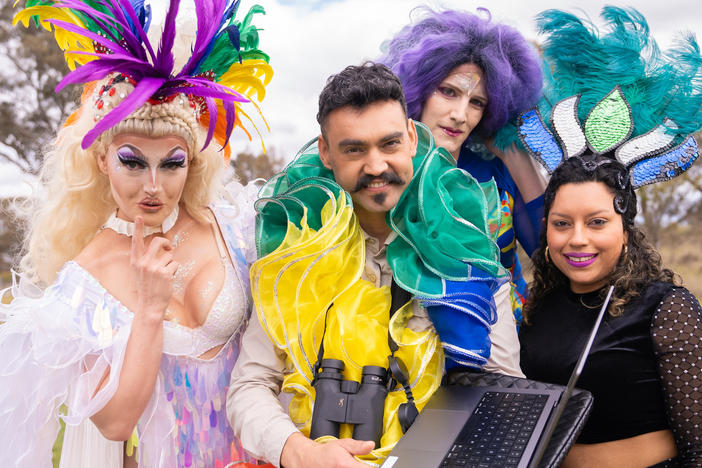
Weliton Menário Costa's award-winning music video showcases his research on kangaroo personality and behavior — and offers a celebration of human diversity, too.
Across the animal kingdom, menopause is something of an evolutionary blip. We humans are one of the few animals to experience it. But Sam Ellis, a researcher in animal behavior, argues that this isn't so surprising. "The best way to propagate your genes is to get as many offspring as possible into the next generation," says Ellis. "The best way to do that is almost always to reproduce your whole life."
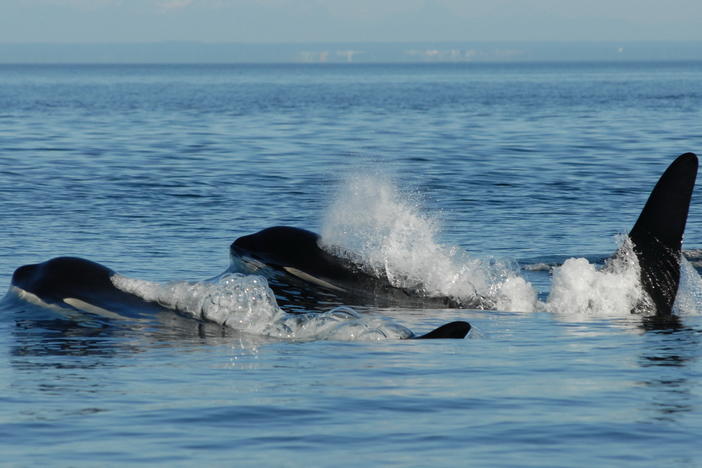
So how did menopause evolve? The answer may lie in whales. Ellis and his team at the University of Exeter recently published a study in the journal Nature that studies the evolution of menopause in the undersea animals most known for it. What they uncovered may even help explain menopause in humans.
Curious about other animal behavior mysteries? Email us at shortwave@npr.org.
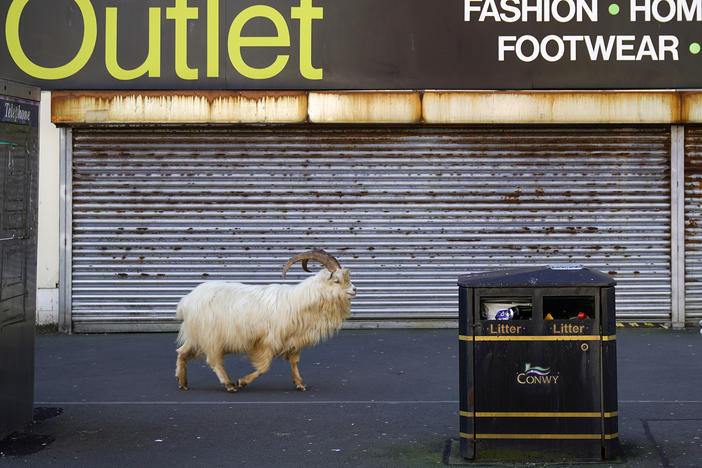
Animals being tracked by scientists tended to travel longer distances in the early months of the pandemic, when people stayed home. The wildlife also ventured closer to roads.
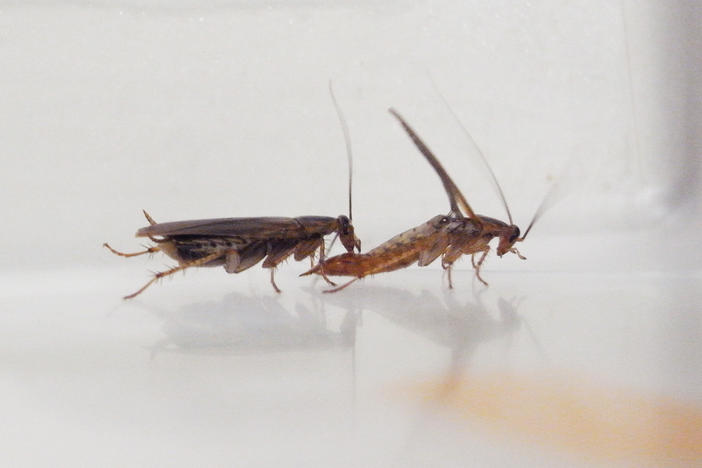
The German cockroach evolved to live only in human environments. This roach is very good at adapting to pest control methods — even if it means changing its mating rituals.
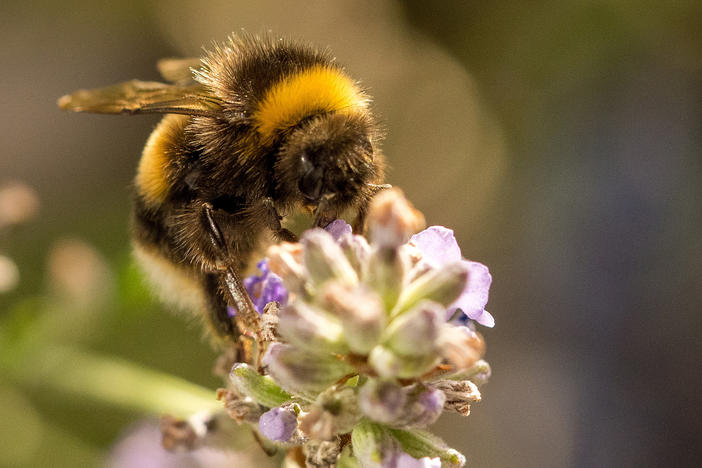
A new study in PLOS Biology finds that bumblebees can learn to solve puzzles from each other — suggesting that even invertebrate animals may have a capacity for culture.