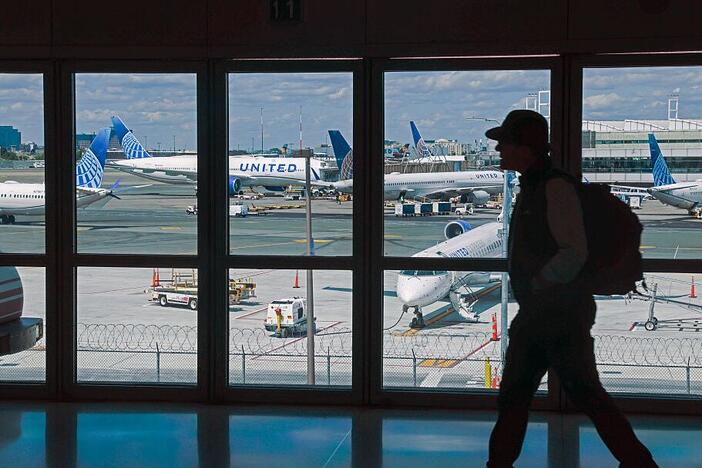
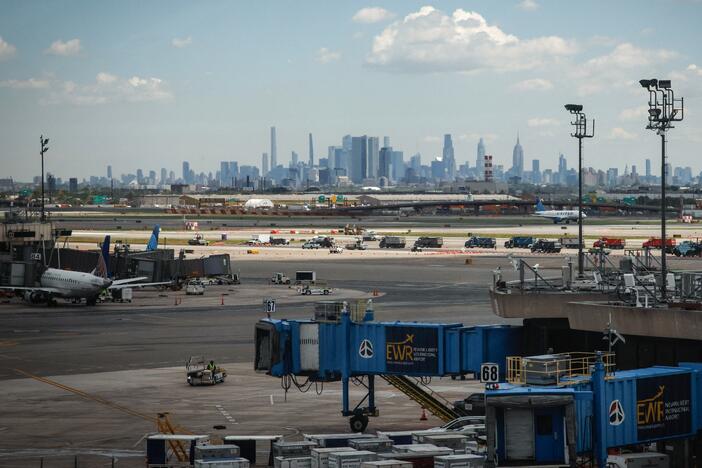
Record numbers of Americans are expected to fly around the July Fourth holiday, posing a big test for America's fragile air travel system — and for Newark Liberty International Airport in particular.
An effort to privatize U.S. air traffic control in 2017 never took off. Now the aviation industry is uniting behind the Trump administration's plan to overhaul the system.
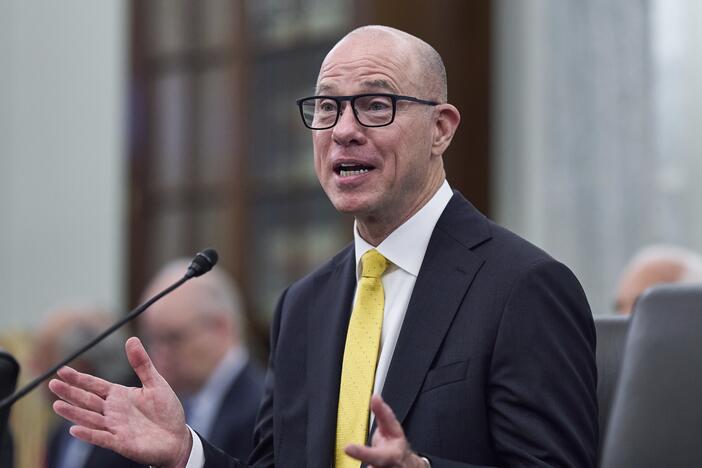
Republic Airways CEO Bryan Bedford was tapped in March to helm the agency. It's critical time for U.S. air travel, following a deadly January collision and ongoing air traffic control system problems.
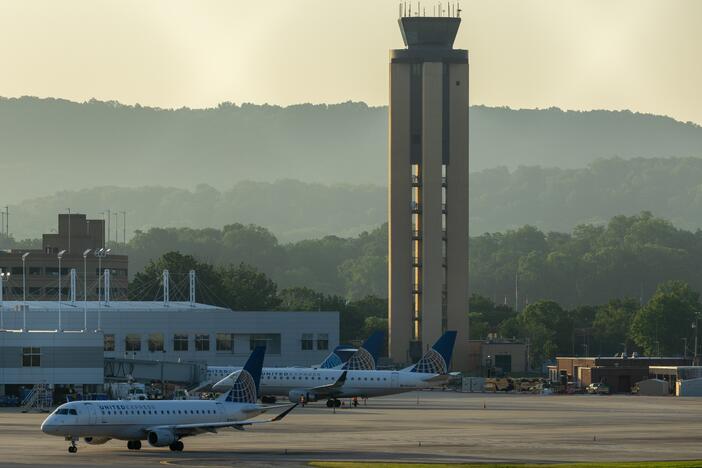
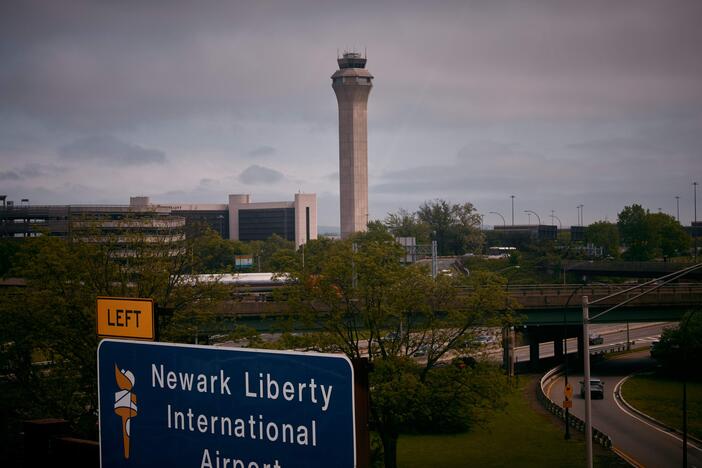
The fragile state of the U.S. air traffic control system was easy to see during the recent outages in Newark. But it will be a lot harder to make up for decades of underinvestment and other mistakes.
An air traffic controller who works the airspace around Newark, N.J. speaks out about what it was like to lose radar and communication systems during a shift, and how the situation got to be so bad.