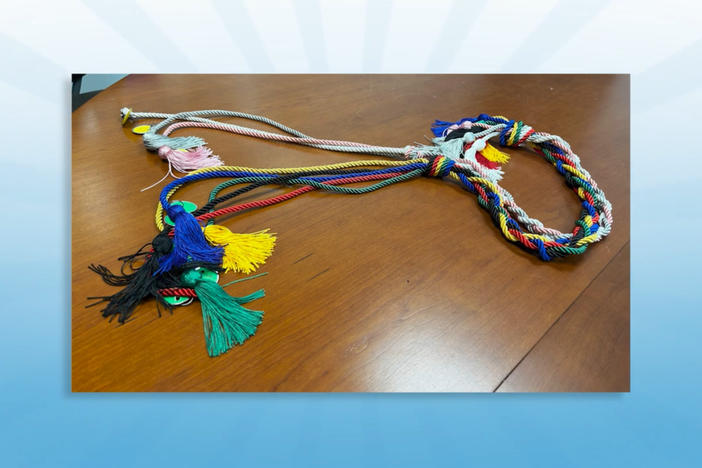
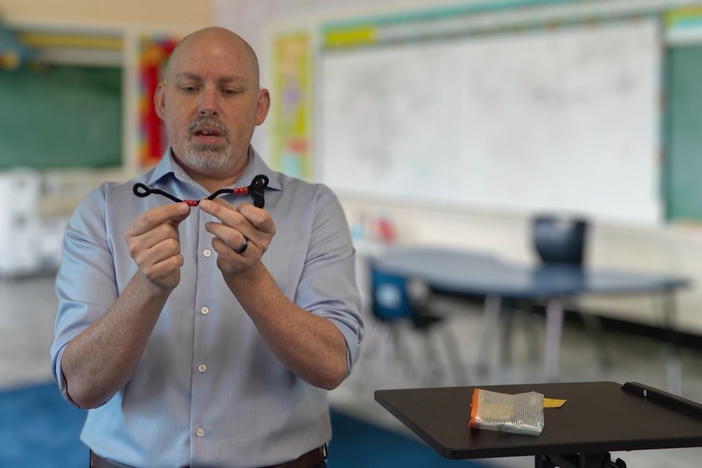
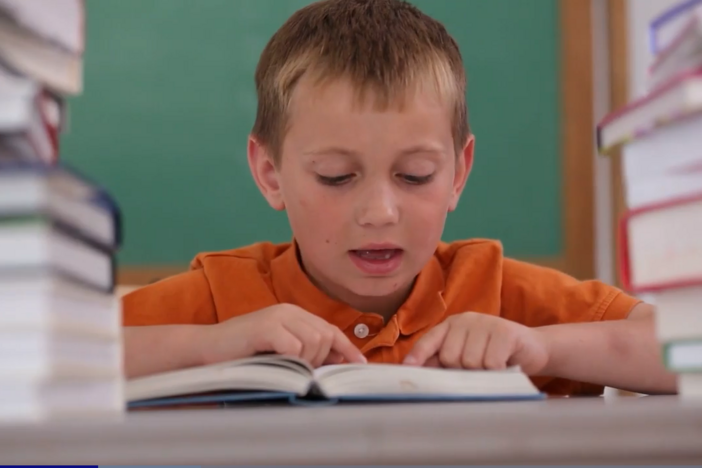
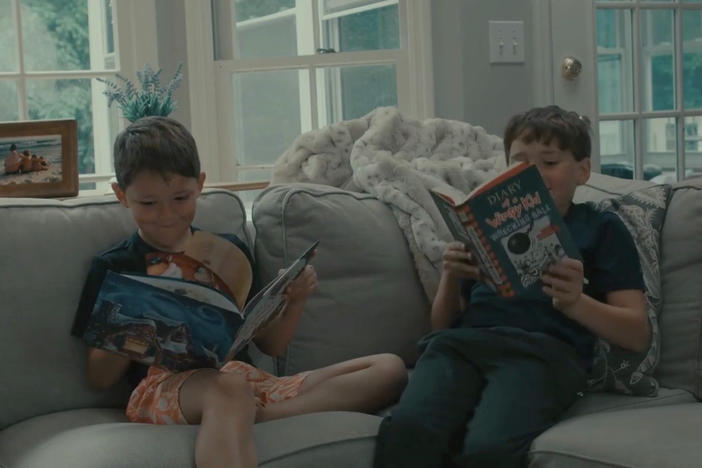
The Scarborough's Reading Rope model consists of both lower and upper strands. When these individual elements intertwine, they lead to proficient and precise reading, characterized by fluent expression and robust comprehension.
Phonological awareness is the ability to hear and manipulate individual sounds inside words. In this episode of Let's Learn GA!, Dr. Nik Philmon, the State Structured Literacy Coaching Coordinator at the Georgia Department of Education, demonstrates how teachers can use phonological awareness to increase their students' literacy.
In this Literacy Short, the Georgia Department of Education provides clarity when it comes to teaching sight words and building literacy skills with elementary students.
Adapting to an Individualized Education Program can be a difficult transition for most students. But by starting small, personalizing reading potential and with the guidance of informed staff and administrators, Marietta City Schools has been able to create many success stories in literacy.
Let's Learn GA! is series of video lessons for grades K-12 taught by Georgia teachers. The videos in this collection are aligned to the Georgia Standards of Excellence for English language arts (ELA).
This video provides an overview of the supports for English learners assist students with mastery of Georgia's K-12 Mathematics Standards. The strategies, scaffolds, and supports included in this video can be used to increase student outcomes for this special population of learners.